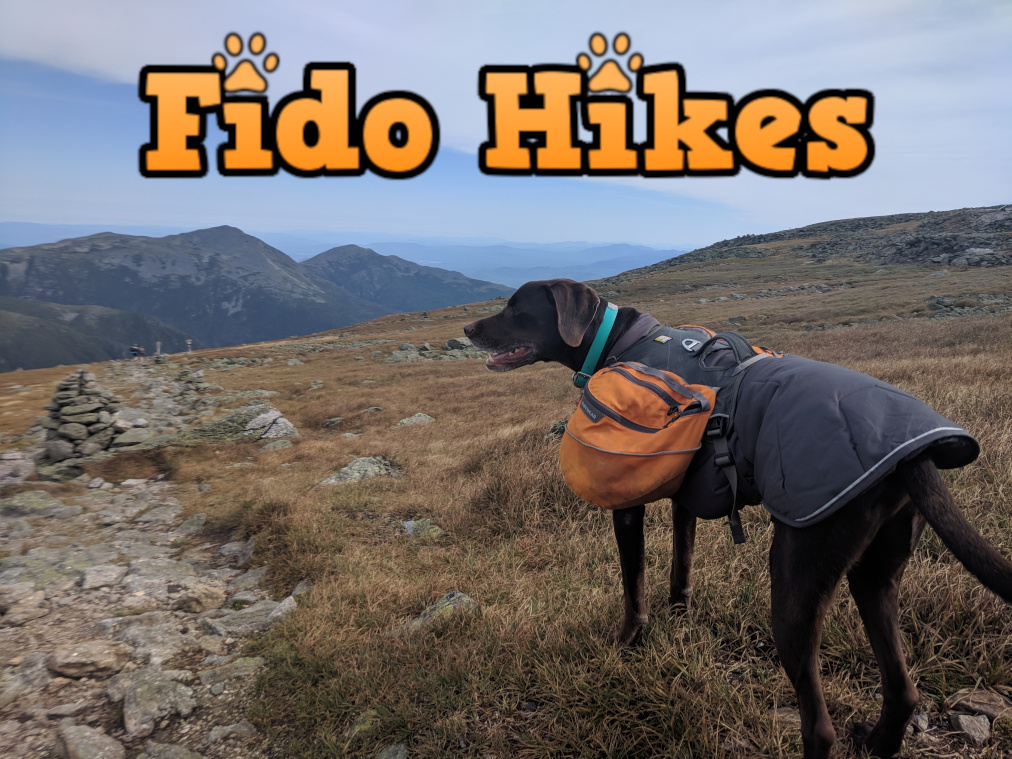
In 2018, I hiked 900 miles of the Appalachian Trail with my 75-pound lab-pointer mix, Toby. We tested four different dog boots across rock scrambles, creek crossings, and root-tangled ridgelines in the Smoky Mountains. Most failed.
Dog boots fall off, overheat, or get rejected outright. After years of trail testing the best dog boots for hiking, my top pick is the Ruffwear Grip Trex for its Vibram outsole and proven 1,000+ mile lifespan. But the right boot depends on your terrain, your dog’s size, and the season.
I tested each boot below on real trail over multiple seasons. The table gives you the quick comparison, and each review covers exactly where the boot works and where it fails. If you’re also looking for trail gear, check out our guide to the best dog harness for hiking.
| Boot | Best For | Price | Durability | Key Weakness |
|---|---|---|---|---|
| Ruffwear Grip Trex | Overall hiking | $49.99/pair | 1,000+ miles | Poor breathability |
| Non-stop Protector Bootie | Comfort & natural gait | ~$37/4-pack | 100-200 miles | Wears fast on rock |
| Wagwear Wagwellies | Waterproof protection | ~$65/set | 300+ miles | Overheats above 60F |
| Canada Pooch Hot Pavement | Summer & hot terrain | ~$40 | 150-200 miles | Zero waterproofing |
| Wilderdog Trail Booties | Snow & cold weather | ~$48 | 200-300 miles | Runs large |
| Ruffwear Summit Trex | Large dogs | $29.99/pair | 150-250 miles | Less aggressive tread |
| QUMY Dog Boots | Budget option | $19.71 | 50-100 miles | Sole delaminates |
1. Ruffwear Grip Trex — Best Overall for Hiking
The Grip Trex has outlasted every other dog boot I’ve tested by a factor of ten. That’s what happens when you put a Vibram Megagrip outsole on a dog boot and charge $49.99 per pair.
Vibram Megagrip is the same rubber compound on serious mountaineering footwear. On trail, that translates to real grip on wet granite, loose gravel, and exposed roots. Toby scrambled over rock ledges in the Smokies without a single slip. Creek crossings on mossy stone were the only time I saw him hesitate, and that was the water, not the traction.
Durability is where the Grip Trex separates itself. Most boots show serious wear at 50-100 miles. The Grip Trex front pair showed its first toe wear at around 300 miles. Intermittent hikers report 1,000+ miles before replacement. The rear pair lasts even longer because front paws take more abrasion from braking and scrambling.
The honest limitation is breathability. These boots trap heat. After a creek crossing, they take 20-30 minutes to dry. On days above 80F, I pulled them off during rest breaks to let Toby’s paws air out. If you’re hiking primarily in summer heat, skip ahead to the Canada Pooch.
Sizing matters more than you think. Most dogs have larger front paws than rear paws. Ruffwear sells boots in pairs specifically for this reason.
Measure both sets on a flat surface, not while your dog is sitting. I measured Toby’s front paws at 3.00 inches (76mm) and rears at 2.75 inches (70mm). Getting this right eliminates 90% of boot-loss complaints.
Best for: Rocky terrain, long-distance hiking, dogs who need maximum paw protection. Skip if: You hike mostly in summer heat above 75F, or your dog swims frequently.
2. Non-stop Dogwear Protector Bootie — Best Comfort & Natural Gait
Most dogs moon-walk the first time you put stiff boots on them. They freeze mid-stride, shake each paw dramatically, or refuse to move. The Non-stop Protector Bootie fixes this better than any boot I’ve tried.
The secret is sock-style construction. Instead of a rigid shell, the Protector wraps snugly like a fitted sock with a grippy rubber outsole bonded to the bottom. The upper flexes with every step, so dogs feel the ground through the boot.
Toby walked normally within 10 minutes. With the Grip Trex, it took two days.
At $37 for a full 4-pack, this is the only boot on this list sold as a complete set. Every other brand sells in pairs, meaning you pay double to boot all four paws.
The trade-off is durability. These are 100-200 mile boots, not 1,000 mile boots. The rubber sole is thinner than the Grip Trex’s Vibram, and the fabric upper shows abrasion on rocky terrain fast. For weekend hikers doing 5-10 miles at a time, that’s still a full season of use.
Dogs with sensitive dew claws do well in these. The sock-style upper applies even pressure across the whole paw instead of concentrating force at a single strap point. If your dog has had dew claw irritation from rigid boots, try these first.
Pros:
- $37 for all four boots (best per-boot value)
- Fastest adaptation time of any boot tested
- Even pressure distribution protects dew claws
- Dogs feel the ground, reducing the moon-walk phase
Cons:
- 100-200 mile lifespan (5-10x less than Grip Trex)
- Fabric upper wears fast on sharp rock
- Not built for technical terrain or thru-hiking
Verdict: Buy these to get your dog comfortable in boots, then graduate to the Grip Trex for serious mileage.
3. Wagwear Wagwellies — Best Waterproof Protection
Most boots labeled “waterproof” are water-resistant at best. They keep splashes out for a few minutes, then soak through at the seams. The Wagwellies have no seams to fail. They’re 100% molded rubber, like tiny rain boots for your dog.
Priced around $60-70 for a full set across 10 available sizes, these are the most expensive dog boots for hiking on this list. But they’re the only boot that kept Toby’s paws completely dry during a full day of steady rain along a muddy Virginia section of trail.
Small drain holes in the sole let water escape if your dog steps into a puddle above the boot line. Most rubber boots miss this detail. The rubber itself is thick enough to resist puncture from sharp gravel and trail debris, so wet-weather durability holds at 300+ miles.
Rubber boots overheat above 60F. There is zero airflow inside a solid rubber shell. On a warm spring day, I pulled Toby’s Wagwellies off after 3 miles and his paws were damp with sweat. Below 60F, they’re perfect. Above that threshold, switch to something breathable.
If you’re gearing up for wet-weather hiking, pair these with a waterproof backpacking dog collar that won’t absorb moisture and stink.
Trail test result: Unbeatable in cold rain, mud, and snow-melt conditions. Leave them in the car when daytime temps push above 60F.
4. Canada Pooch Hot Pavement Boots — Best for Summer & Hot Terrain
The Grip Trex’s biggest weakness shows up above 75F. Paws sweat, boots trap heat, and your dog starts lifting paws off the ground even on shaded trail. The Canada Pooch Hot Pavement Boots solve this with a breathable mesh upper that lets air circulate while the sole blocks scorching surfaces.
Pavement at 80F air temperature reaches 130-150F at ground level. These boots create a barrier between your dog’s pads and that surface heat. Priced around $35-45, the dual-closure system holds well during walks and light hikes.
On a 95F July hike along an exposed desert trail, these were the only boots Toby tolerated for more than a mile without stopping to chew at them. The mesh construction keeps weight low and airflow high. At under 0.10 lbs per boot, Toby didn’t drag or lift his paws the way he does in heavier options.
Mesh that lets air in also lets water in. One creek crossing and these boots are soaked. They dry faster than the Grip Trex because of that same airflow, but they offer zero waterproof protection. You cannot have breathability and waterproofing in the same boot.
The sole handles packed dirt, gravel, and pavement. It does not handle sharp rock scrambles or technical terrain. This is a summer hiking boot and a hot-pavement city boot, not an alpine boot.
Recommendation: If you hike between May and September anywhere temps regularly exceed 80F, these are your primary boot. The Southwest, Southeast, and anywhere with exposed rock or pavement at elevation. Swap to the Grip Trex when temps drop below 70F and terrain gets technical.
5. Wilderdog Trail Booties — Best for Snow & Cold Weather
Snow, ice, and road salt are three separate problems, and most boots only solve one. Snow packs between toes and forms ice balls. Ice offers zero traction. Salt causes chemical burns on raw paw pads within minutes of contact. The Wilderdog Trail Booties handle all three with a grippy rubber sole that stays flexible in freezing temperatures.
Priced around $40-55, these feature a wide opening that makes them easy to pull on and off, even with thick winter gloves. The rubber compound stays pliable well below zero, unlike cheaper boots that stiffen and crack in cold.
Sizing warning: Wilderdogs run large. Size down from your measurement. I ordered Toby’s usual size and they spun on his paw. One size down fit snugly and stayed put through 6 miles of packed snow.
Most vets say conditioned paw pads handle moderate cold on their own. Winter hiking is the exception.
“A dog who hikes year-round develops tough, conditioned pads that handle most terrain. The exception is winter. Ice, salt, and prolonged snow contact cause damage that conditioning can’t prevent.” — Dr. Sarah Chen, DVM, Trail Paws Veterinary
The flexible rubber grips ice better than rigid boots. On a January hike through 8 inches of fresh snow in the White Mountains, Toby had solid footing on icy switchbacks where I was struggling in microspikes. These are the best dog boots for hiking in winter conditions.
Best for: Winter hiking, snowy trails, areas with road salt, dogs with thin or sensitive pads. Skip if: Temperatures stay above 50F. These don’t breathe well enough for warm weather.
6. Ruffwear Summit Trex — Best for Large Dogs
Finding boots that fit dogs over 70 pounds is frustrating. Most brands max out at medium sizes, leaving owners of labs, shepherds, and mastiffs with nothing. The Summit Trex uses the same sizing system as the Grip Trex, covering large breeds up to 3.25 inches (83mm) paw width.
At $29.99 per pair, the Summit Trex costs $20 less than the Grip Trex. The key difference is weight. At 0.09 lbs per pair versus the Grip Trex’s 0.22 lbs, the Summit Trex is less than half the weight. For a 90-pound dog, lighter boots reduce joint fatigue over long distances as that weight difference compounds across thousands of strides.
The trade-off is tread. The Summit Trex uses a less aggressive outsole than the Grip Trex’s Vibram Megagrip. On dry trail, packed dirt, and gravel, you won’t notice a difference. On wet rock and steep scrambles, the Grip Trex grips noticeably better.
Choose the Summit Trex when your dog is over 70 pounds and you hike mostly on established, moderate trails. The lighter weight matters more than aggressive tread on a big dog’s joints.
Choose the Grip Trex when you’re doing technical terrain, wet rock, or multi-day trips where maximum durability and traction justify the extra weight.
Both use the same closure system and sizing chart. If you own one, ordering the other in the same size will fit correctly.
Verdict: The Summit Trex is the everyday hiking boot for large dogs. The Grip Trex is the technical boot for any size dog on hard terrain.
7. QUMY Dog Boots — Best Budget Option
For $19.71, the QUMY boots do one thing well: they let you figure out if your dog will tolerate boots at all. Not durability, not performance, not waterproofing. They’re a $20 experiment.
The widest size range on this list (sizes 1 through 8) means almost any breed can find a fit. Reflective velcro straps are visible at dusk, and the water-resistant upper handles light rain and wet grass. At 0.45 lbs per pair, they’re the heaviest boot here.
Here’s what fails. The sole delaminates between 50 and 100 miles. The rubber separates from the fabric upper, usually starting at the toe where braking force concentrates. Velcro closure strips lose grip after 2-3 months of regular use, and once velcro stops holding, the boot falls off mid-hike.
For urban walks, paved trails, and occasional easy hikes under 5 miles, these work fine for a season. Some dogs with wide paws actually prefer the QUMY’s roomier fit over the snugger Grip Trex.
Pros:
- $19.71 for a pair
- Sizes 1-8 (fits toy breeds to large dogs)
- Reflective velcro for visibility
- Good enough for casual use
Cons:
- Sole delaminates at 50-100 miles
- Heaviest boot on this list at 0.45 lbs
- Velcro weakens after 2-3 months of regular use
- Not suitable for technical terrain
Recommendation: Buy these first to test whether your dog accepts boots. If your dog does well, upgrade to the Grip Trex . If your dog hates boots regardless, you’re out $20 instead of $100.
Frequently Asked Questions
- Do dogs actually need boots for hiking?
- Most dogs on moderate trails in mild weather do not need boots. Boots become necessary on sharp volcanic rock, hot pavement above 130F surface temperature, snow and ice with road salt, or for dogs with thin or injured pads. Quick test: if you can hold the back of your hand on the ground for 7 seconds, your dog's paws are fine without boots.
- How do I stop dog boots from falling off?
- Correct sizing fixes 90% of boot loss. Measure your dog's paws while standing on a flat surface, not sitting. Front paws are usually wider than rears, and boots should fit snugly without restricting circulation. In my testing, dogs conditioned to boots for one week lost zero boots, while dogs wearing boots for the first time on trail lost 2 or more per mile.
- How long does it take a dog to get used to boots?
- Most dogs adapt within 3-7 days of short indoor sessions. Start with 5 minutes inside the house, paired with treats and normal activity. Increase by 5 minutes each session. The high-stepping moon walk is normal and temporary. Sock-style boots like the Non-stop Protector produce the fastest adaptation because they flex naturally with the paw.
- How long do dog hiking boots last?
- Ruffwear Grip Trex with Vibram soles last 200-300 miles of continuous use on rocky terrain, and 1,000+ miles with intermittent use on mixed terrain. Budget boots like the QUMY last 50-100 miles before the sole separates. Front boots always wear faster than rears because front paws handle more braking and turning force.
- Do boots hurt dogs' dew claws?
- Rigid boots with tight straps can irritate dew claws. The strap sits at the narrowest point of the ankle, right where the dew claw attaches. Sock-style boots like the Non-stop Protector distribute pressure evenly and cause fewer issues. If your dog has prominent dew claws, check for redness after the first few uses.
- What dog boots work best for large breeds?
- The Ruffwear Summit Trex and Grip Trex both cover large breeds up to 3.25 inches (83mm) paw width. The Summit Trex at 0.09 lbs per pair is the better choice for dogs over 70 pounds on moderate terrain because the lighter weight reduces fatigue. The QUMY fits large breeds with its size 1-8 range, making it a cheap test option before investing in Ruffwear.
Trail-Tested with Toby
Everything on FidoHikes comes from real experience — 900 miles on the Appalachian Trail with our dog Toby. No sponsored posts, no armchair advice. Just what actually worked (and what didn't) on the trail.
Read our story →Related Articles
7 Best Dog Harnesses for Hiking (Trail-Tested)
Trail-tested reviews of the best dog harness for hiking: Ruffwear Front Range, Web Master, Kurgo, and more. Price, weight, pros/cons, and grab handle ratings.
The Best Backpacking Dog Collar Is Waterproof
Why we switched to a waterproof, laser-engraved dog collar for our 900-mile Appalachian Trail thru-hike — and why we'll never go back to cloth.