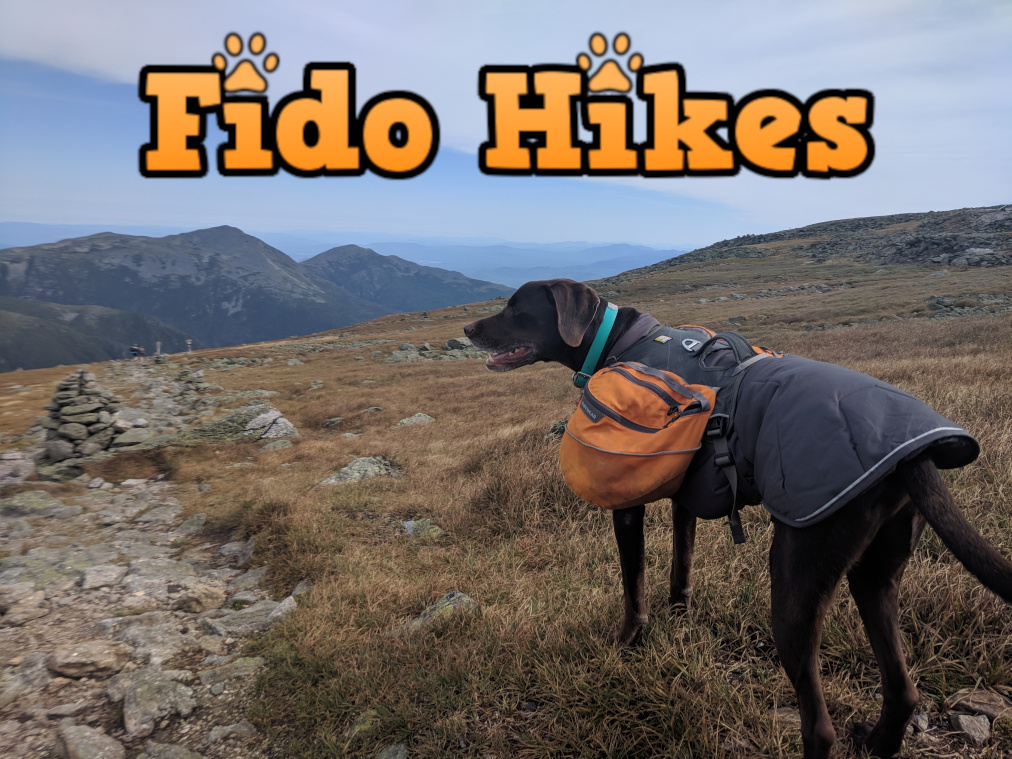
Most people eyeball their dog’s food at home and get away with it. On trail, that guesswork can leave your dog running on empty by day three. This dog calorie calculator gives you starting estimates for calories, portions and food weight based on your dog’s size, trip type and terrain.
The short answer: RER x 1.6 gives a starting home estimate near 1,165 calories a day for a healthy 50-pound neutered adult. The hiking figures below are calculator estimates, not measured needs for an individual dog.
Dog Hiking Calorie Calculator
Enter your dog's details and trip info for a personalized trail feeding estimate.
Trail Fuel Estimate
1,410 kcal/day
Range: 1,295 – 1,520 kcal/day
▲ +245 kcal vs rest day (21% more)
Food to Pack
Cups depend on your food's calorie density — pick your food or enter kcal/cup for exact amounts.
Per Day
3.5
cups
Per Trip
3.5
cups
Meals
3
per day
Suggested Meal Split
Your Meal Plan Pro preview
For your 1-day trip, your dog goes through ~3.5 cups. Pro turns that into exactly what to pack:
- Pounds to pack, +10% safety buffer
- 1 daily ration bags, meal-by-meal
- Daily water targets
- Resupply legs + printable trail manual
Dehydrated Option
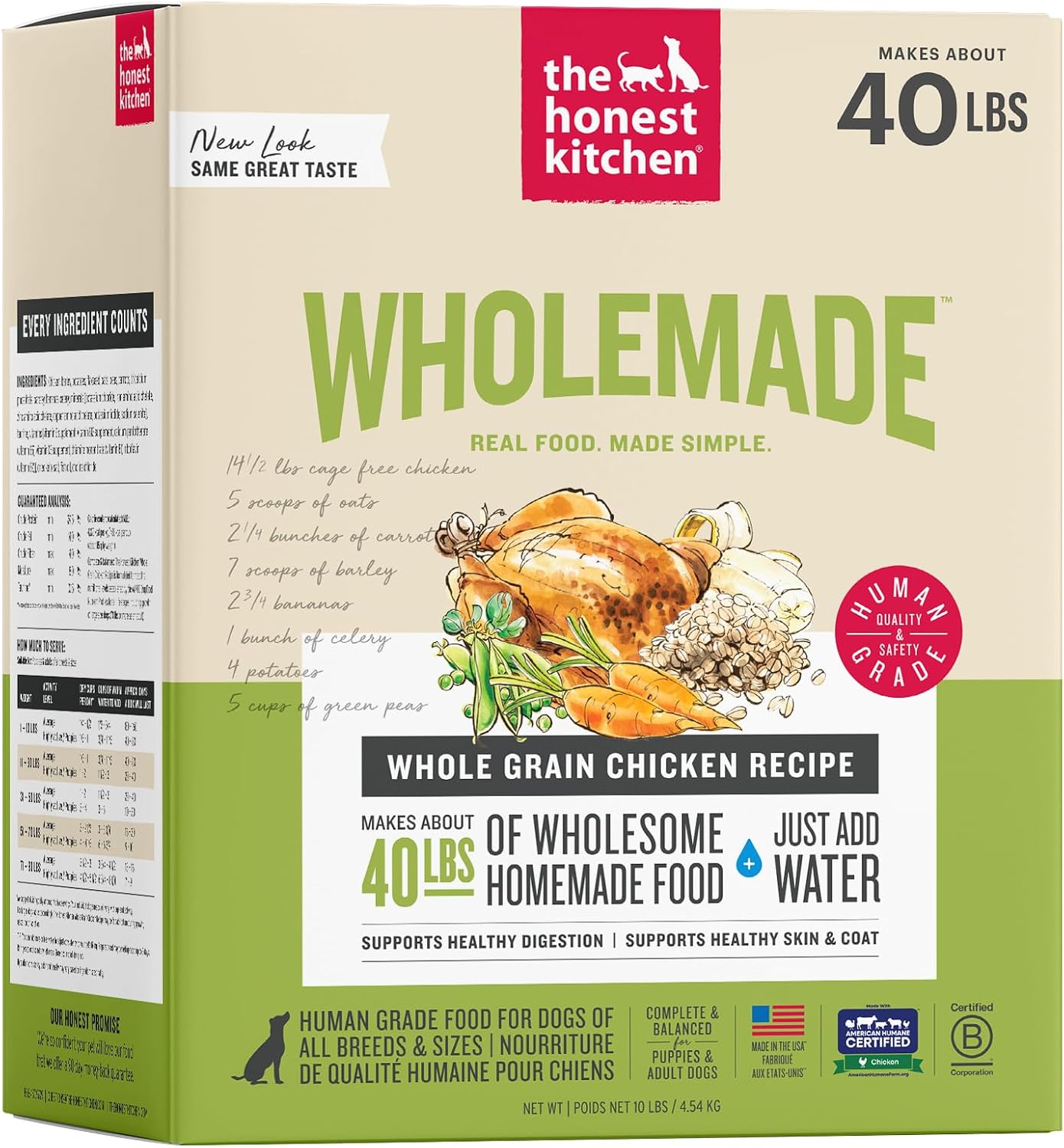
The Honest Kitchen Whole Grain Chicken, 10 lb
485 kcal per dry cup — compare 4,280 kcal/kg with your current food
See on Amazon — $62.71▶ ▼ How we calculated this
Base formula: RER = 70 × (weight in kg)0.75
Your dog: 22.7 kg → RER = 725 kcal
Rest-day calories: RER × 1.6 (life stage) × 1 (body) = 1165 kcal
Trail multipliers:
- Hike type: ×1
- Hours: ×1.1
- Terrain: ×1.08
- Temperature: ×1
Uncertainty: ±8%
Base RER/MER model from Merck Veterinary Manual and AAHA nutritional guidelines. Trail-specific adjustments are practical heuristics, not clinically validated. Always consult your vet for specific dietary advice.
Want this feeding plan in your inbox?
Get it emailed plus dog gear comparisons and hiking guides. No spam.
1,410 kcal/day
3.5 cups/day · 3.5 cups total
How to read the result: AAHA’s RER/MER formula and work ranges are general starting guidelines. The calculator’s trip, hours, terrain and temperature modifiers—and its uncertainty band—are internal planning heuristics, not clinically validated multipliers or confidence intervals. Monitor body weight and body condition and work with your veterinarian.
Dog Calorie Needs by Weight (Chart)
If you want a number before you touch a single dropdown, start here. These are adult dogs in ideal body condition, using the same formula and multipliers the calculator runs. Cups assume a 400 kcal/cup food, which is about average for dry kibble.
| Dog weight | RER (resting) | Rest day | Day hike (4 hr, rolling) | Hard pack day (8 hr, mountain, cold) | Cups/day, day hike | Cups/day, hard |
|---|---|---|---|---|---|---|
| 10 lb | 220 | 350 | 420 | 685 | 1.1 | 1.7 |
| 20 lb | 365 | 585 | 710 | 1,155 | 1.8 | 2.9 |
| 30 lb | 495 | 795 | 960 | 1,565 | 2.4 | 3.9 |
| 40 lb | 615 | 985 | 1,190 | 1,945 | 3.0 | 4.9 |
| 50 lb | 725 | 1,165 | 1,410 | 2,300 | 3.5 | 5.8 |
| 60 lb | 835 | 1,335 | 1,615 | 2,635 | 4.0 | 6.6 |
| 70 lb | 935 | 1,500 | 1,810 | 2,955 | 4.5 | 7.4 |
| 80 lb | 1,035 | 1,655 | 2,005 | 3,270 | 5.0 | 8.2 |
| 90 lb | 1,130 | 1,810 | 2,190 | 3,570 | 5.5 | 8.9 |
| 100 lb | 1,225 | 1,960 | 2,370 | 3,865 | 5.9 | 9.7 |
Rest-day numbers assume a neutered adult (RER x 1.6). Intact adults run higher, seniors lower. Check your own food’s kcal/cup before you trust the cup columns, because a 300 kcal/cup food and a 500 kcal/cup food are nearly two different portions for the same dog.
How the Dog Calorie Formula Works (RER and MER)
Every calorie calculation starts with your dog’s Resting Energy Requirement (RER). The standard veterinary formula is:
RER = 70 x (body weight in kg)^0.75
That number represents what your dog burns doing absolutely nothing. Breathing, digesting, maintaining body temperature. No walking, no sniffing, no chasing squirrels.
To get Maintenance Energy Requirement (MER) — actual daily calorie needs — multiply RER by a life-stage factor:
| Life Stage | Multiplier |
|---|---|
| Inactive / weight loss | 1.0 |
| Senior dog | 1.4 |
| Neutered adult | 1.6 |
| Intact adult | 1.8 |
| Light work | 1.6-2.0 |
| Moderate work | 2.0-5.0 |
| Heavy work | 5.0-11.0 |
| Puppy (4-12 months) | 2.0 |
| Young puppy (under 4 months) | 3.0 |
These ranges come from AAHA’s energy-requirement guide. AAHA labels them as general guidelines for estimating intake and says to adjust calories by monitoring body weight and body condition.
Breed, coat thickness, metabolism, conditioning, and temperament all play a role. A nervous dog burns more calories than a calm one covering the same miles.
Calculator trail multipliers
Most calculators hide their math. Ours doesn’t. On top of the RER and life-stage factors above, the calculator stacks four trail adjustments:
| Adjustment | Setting | Multiplier |
|---|---|---|
| Trip type | Day hike / multi-day / thru-hike | 1.00 / 1.08 / 1.16 |
| Hours on trail | +0.06 per hour past 2, capped | 1.00-1.48 |
| Terrain | Flat / rolling / steep / mountainous | 1.00 / 1.08 / 1.18 / 1.28 |
| Temperature | Mild / warm / hot / cold / freezing | 1.00 / 1.01 / 1.03 / 1.05 / 1.12 |
Multiply them together, cap the result at 2.5x, and that’s your trail factor. An eight-hour mountain day in the cold on a multi-day trip works out to about 1.97x your dog’s normal daily calories.
The AAHA RER/MER formula and factors are general starting guidelines. The four trail adjustments are internal planning heuristics, not clinically validated multipliers. Use them to get in the right ballpark, then adjust with body-weight, body-condition and veterinary guidance.
How to Apply This on Trail
Day Hikes (3-8 Miles)
Day hikes require less food planning than multi-day trips, but they do not have one universal calorie increase. Use the calculator as a starting estimate and adjust from your dog’s body weight, body condition and veterinary plan.
Feed the extra portion after the hike, not before. A large meal before strenuous exercise increases bloat risk, especially in deep-chested breeds like German Shepherds, Great Danes, and Standard Poodles.
Your regular kibble works fine for day hikes. No need to switch foods for a Saturday morning trail run.
Multi-Day Backpacking
On multi-day trips, minor calorie miscalculations compound fast. Underfeed by 15% per day and your dog enters day three with a meaningful deficit.
Split meals into breakfast and dinner. Pre-measure portions into daily bags before your trip to eliminate on-trail guessing. Our full walkthrough of feeding your dog on a backpacking trip covers the bowl, water, and resupply logistics this calculator doesn’t.
For trips longer than three days, add 10% extra food as a safety margin. Weather, route changes, and unexpected rest days happen. Running out of dog food in the backcountry is not a problem you want to solve.
Thru-Hiking and Long-Distance Trips
Long trails demand sustained high-calorie intake, and any shortfall erodes your dog’s condition over time. Their body adapts over weeks, building endurance and muscle. But that adaptation only works if calories keep pace.
Plan resupply boxes with pre-portioned dog food. Mail them to post offices or trail towns, the same way you handle your own food drops. Label each box with the date range and daily calorie target.
Do not intentionally change your dog’s body weight for a trip without veterinary guidance. Establish a healthy body condition before departure and monitor it during longer trips.
An off-leash dog may cover more ground than the mapped route, but there is no universal mileage multiplier. Treat actual movement, pace and condition as individual inputs rather than assuming two or three times your mileage.
Cold conditions can change energy needs, but this page does not claim one fixed percentage. The calculator’s temperature adjustment is an internal planning heuristic that should be checked against the individual dog’s condition and veterinary guidance.
Dog Food Calorie Density and Weight Math
The calories-per-cup of your dog food directly determines how much weight goes in the pack. Commercial dog foods range from 300 to 500 calories per cup. That spread makes a real difference on multi-day trips. See exactly where your brand falls in our dog food calorie comparison chart, which lists calories per cup for the most popular foods side by side.
For a dog needing 2,000 calories per day:
| Food Type | kcal/cup | Cups/Day | Weight/Day (dry) | 5-Day Total |
|---|---|---|---|---|
| Standard kibble | 350 | 5.7 | ~24 oz | ~7.5 lbs |
| Premium kibble | 450 | 4.4 | ~18 oz | ~5.6 lbs |
| Honest Kitchen Whole Grain Chicken | 485 | 4.1 | ~16.5 oz | ~5.2 lbs |
The Whole Grain Chicken row uses the manufacturer’s 485 kcal per dry cup and about four dry cups per pound. The generic kibble rows are illustrations; check the exact food’s kcal/kg before calculating a carry-weight difference.
Read your food label before the trip. Look for the “Calorie Content” statement, listed as kcal/cup or kcal/kg. If it only lists kcal/kg, divide by the number of cups per kilogram (typically 3.5-4 cups for dry kibble) to get your per-cup number.
Higher calorie density means fewer cups per day, less volume, and less weight. For backpacking, target anything above 400 kcal/cup.
Don’t assume all “premium” foods are calorie-dense. Some high-end brands prioritize low calorie density for weight management. Great for overweight house dogs, terrible for backpacking. Always check the number, not the branding.
If your calculator result came back higher than your dog can comfortably eat in a day, the fix is usually a denser food rather than a bigger bowl. Sport formulas built around a 30/20 protein-fat ratio hit 450-485 kcal/cup, so the same calories fit in fewer cups. Our best dog food for active dogs roundup ranks six of them by calorie density and price per pound, and it’s where most trail dogs should start.
Why Dehydrated Food Works for Backpacking
Dehydrated dog food is not automatically lighter than kibble per calorie. Honest Kitchen Whole Grain Chicken’s published figures work out to about 4,280 kcal/kg. Compare that with the exact kibble or freeze-dried recipe, then account for preparation water separately.
If your dog is going to carry their own food, the harness matters as much as the pack. See our best dog harness for hiking guide for lift-rated, load-stable options.
Rehydration can take several minutes. Follow the product’s directions for water amount and wait time.
The tradeoff is cost. Compare the current price, calorie density, and preparation requirements of each option before choosing food for a trip. Our best dehydrated dog food for backpacking guide lists product details, including rehydration ratios and cost per trail day.
TurboPup bars work well as supplemental trail calories without committing to a full food change. At 500 calories per 4-ounce bar, they’re ideal for topping off on high-mileage days.
Food Transition and Stomach Issues on Trail
Never introduce new food on day one of a trip. A sudden diet change causes diarrhea, vomiting, and gas. On trail, those problems compound fast because your dog is already under physical stress and you may be miles from a trailhead.
Start the transition 2-4 weeks before your trip:
- Days 1-3: 75% old food, 25% new food
- Days 4-7: 50/50 mix
- Days 8-10: 25% old food, 75% new food
- Days 11-14: 100% new food
If you see loose stools at any stage, hold at that ratio for a few extra days before advancing.
Even with a proper transition, some dogs experience mild GI issues during the first 2-3 days on trail. Physical exertion, a new environment, and excitement can disrupt digestion temporarily. This usually resolves on its own. Pack extra waste bags for those first days.
Doubling portions of existing food causes the same problems as a brand switch. If you’re increasing from 3 cups to 6 cups, ramp up gradually over a week.
Bring your dog’s regular food as backup for the first few trail days, even if you’ve completed the transition. If their stomach rebels under trail stress, you can temporarily revert and try again more gradually.
Meal Timing and Feeding Schedule
The American College of Veterinary Surgeons describes GDV as multifactorial and associates it with rapid ingestion of large meals, one large daily meal and a deep chest. It does not establish a universal one-hour or two-hour exercise interval.
Use smaller meals rather than one large daily meal, and ask your veterinarian for meal size and timing guidance for your dog, especially for a large, deep-chested or otherwise high-risk dog.
Treat a meaningful appetite change as an individual health signal rather than assuming a normal number of adjustment days. Assess the dog and contact a veterinarian when appetite loss persists or appears with other concerning signs.
Signs Your Dog Isn’t Getting Enough Calories
The Body Condition Score (BCS) is your primary monitoring tool. Veterinarians use a 9-point scale where 4-5 is ideal. Assess by feel: ribs should be easily felt with light pressure but not visible. A pronounced tuck at the waist viewed from above means your dog is losing condition.
Check BCS every morning before feeding on multi-day trips. You know what your dog looks and feels like at home. Deviations on trail are your early warning system.
Watch for these signs:
- Visible rib prominence increasing day over day. Some rib visibility is normal for fit dogs. The concern is progressive change.
- Dull, thinning coat. Takes longer to appear but indicates sustained calorie deficit.
- Lethargy and decreased trail enthusiasm. A dog who normally leads but starts lagging is telling you something.
- Reduced stool volume. Less output means less input than needed.
- Scavenging behavior. Eating dirt, sticks, grass, or showing unusual interest in your food signals hunger.
- Bad breath from fat metabolism. The body burning fat reserves produces ketones that cause a distinctive sour or sweet smell on the breath.
If you notice two or more of these, increase portions by 25% immediately. Don’t wait for the trip to end. Adding calories on trail is far easier than recovering a dog who’s been underfed for days.
Packing and Storing Food on Trail
Dog food needs the same bear-country protocols as human food. If you’re hanging a bear bag or using a bear canister, your dog’s food goes in there too. Bears, raccoons, and mice don’t distinguish between your trail mix and your dog’s kibble.
For bear canister users, factor your dog’s food volume into canister size selection. A BV500 fits roughly 3-4 days of human food. Add dog food and you may need a larger canister or a second one.
Storage tips:
- Pre-portion into daily bags. Quart-sized freezer bags work well. Label each with the day number and calorie count.
- Double-bag for odor control. Especially important in bear country. An outer bag catches kibble dust and grease.
- Keep food dry. Line your dog’s pack with a trash compactor bag. Wet kibble molds fast.
- Carry one extra day of food. Always. Injuries, weather delays, and wrong turns happen.
For long-distance resupply, mail pre-portioned food boxes to trail towns and post offices. Include the daily bag count, any supplements, and your dog’s current calorie target (which may change as they gain trail fitness).
If your dog carries their own food, front-load the weight. Pack food they’ll eat last closest to their body and first-day food in the outer compartments. As they eat through the supply, the pack lightens evenly.
Inspect remaining food on resupply days for moisture damage or mold. Kibble that gets damp can spoil within 24-48 hours in warm weather. If it smells off or looks discolored, replace it from your resupply box.
For section hikers using trailhead parking, leave an extra bag of food in your car. Dogs often eat more than expected on their first trip, and that safety net is worth having.
References
The RER/MER formula and work ranges come from AAHA’s energy-requirement guide and feeding-plan guidance. Meal-size and GDV risk-factor statements use the American College of Veterinary Surgeons. Trail-specific multipliers are internal planning heuristics, not clinically validated studies.
Frequently Asked Questions
- How many calories does my dog need per day?
- Start with the AAHA formula: RER = 70 x (body weight in kg)^0.75, then estimate MER with a life-stage or work factor. AAHA calls these general starting guidelines and directs owners to adjust intake by monitoring body weight and body condition. This calculator's trail modifiers are internal planning heuristics, not clinically validated multipliers.
- How many calories does a 50 lb dog need?
- For a 50-pound neutered adult, RER x 1.6 gives a starting home estimate near 1,165 calories a day. The calculator's hiking outputs are planning estimates produced by internal trail heuristics; they are not measured needs for an individual dog. Monitor body weight and body condition and work with your veterinarian.
- How many extra calories does a dog need when hiking?
- There is no universal hiking percentage. AAHA lists working-dog starting ranges of 1.6-2.0 times RER for light work, 2.0-5.0 for moderate work and 5.0-11.0 for heavy work. The correct intake depends on the individual dog and should be adjusted using body weight, body condition and veterinary guidance.
- How many calories per cup of dog food?
- Most commercial dog foods contain 300-500 calories per cup. Check your specific brand's label — this variation makes a big difference in portion sizing.
- Should I feed my dog more on hiking days?
- Possibly, but do not apply a universal percentage. Use RER and an appropriate MER or work factor as a starting estimate, then adjust for the individual dog with body-weight, body-condition and veterinary guidance.
- How do I calculate calories for a puppy on a hike?
- AAHA's general growth factors are 3.0 times RER for puppies under four months and 2.0 times RER at four months and older. Those are starting guidelines, and hiking adjustments are not clinically validated. Consult your veterinarian before strenuous trail activity with a growing dog.
- Does my dog need more food in cold weather?
- Yes. Cold temperatures increase calorie burn by 5-12% as your dog's body works harder to maintain core temperature. In freezing conditions combined with strenuous hiking, calorie needs can increase significantly.
- How much water does a hiking dog need per day?
- Water needs vary with the dog, diet, weather and exertion. This calorie calculator does not calculate hydration needs, and a universal double-or-triple rule is not supported here. Plan conservatively and ask your veterinarian for guidance specific to your dog and route.
- Should I change my dog's food for backpacking trips?
- For day hikes, your regular food is fine — just pack more. For multi-day trips, consider calorie-dense dehydrated food to reduce pack weight. Transition gradually over a week before your trip to avoid stomach upset.
- How much food weight should I carry for my dog on a 3-day trip?
- It depends on your dog's calorie target and the exact food's calories per unit weight. Dehydrated food is not automatically 30-40% lighter than kibble. Honest Kitchen Whole Grain Chicken works out to about 4,280 kcal/kg from its published package figures; compare that with the kcal/kg statement on your current food.
Get the free Dog Hiking Trail Pack
A printable pre-hike checklist, trail feeding cheat-sheet, and paw + heat safety guide. Free, no spam.
About FidoHikes
Our hiking background includes 900 miles on the Appalachian Trail with our dog Toby. For the basis of a gear recommendation, check the article's experience notes and sources.
Related Articles
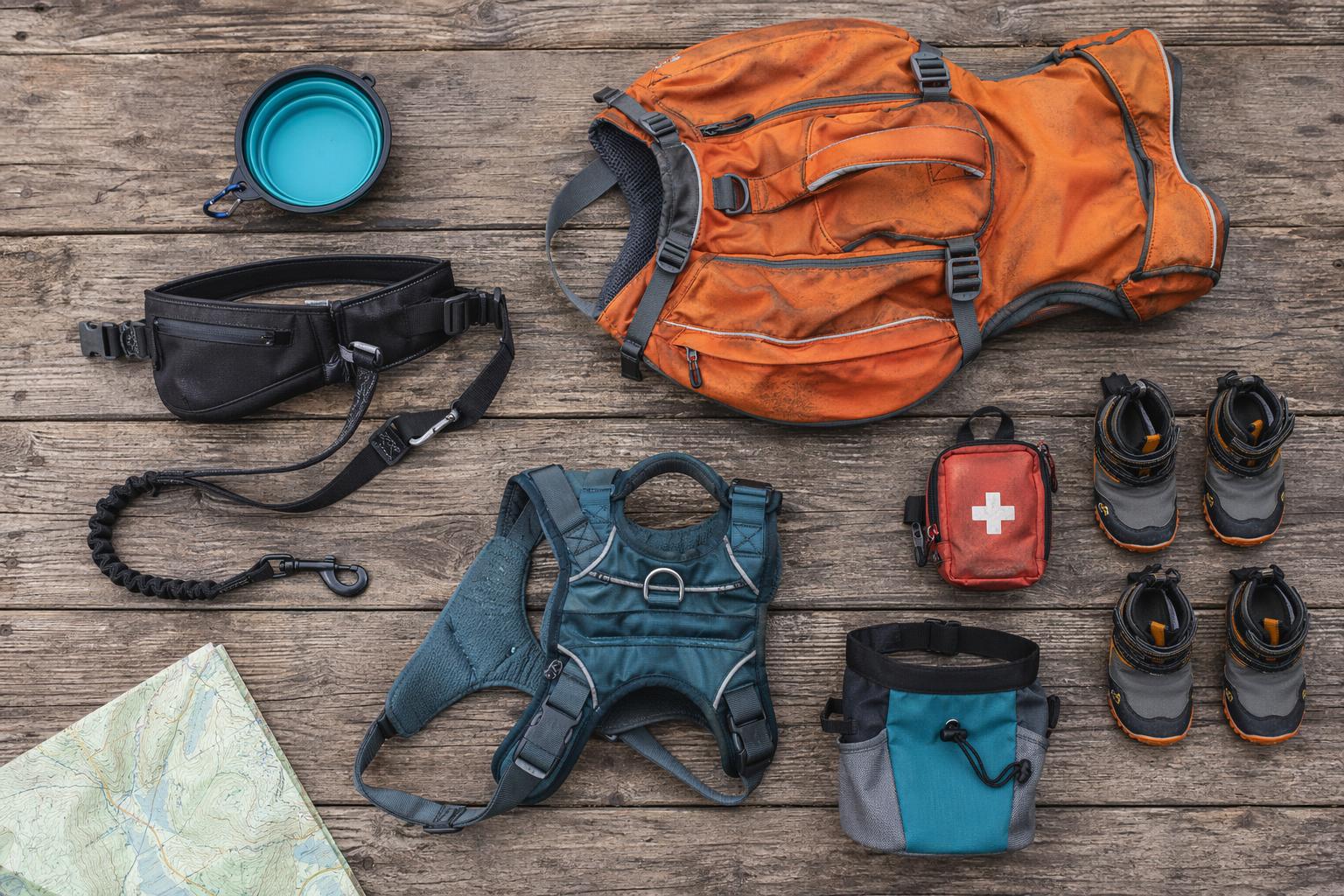
Dog Gear List for Thru-Hiking: Planning Guide
A practical dog gear list for thru-hiking, with route-aware food, water, sleep, paw-care, safety, and storage planning.
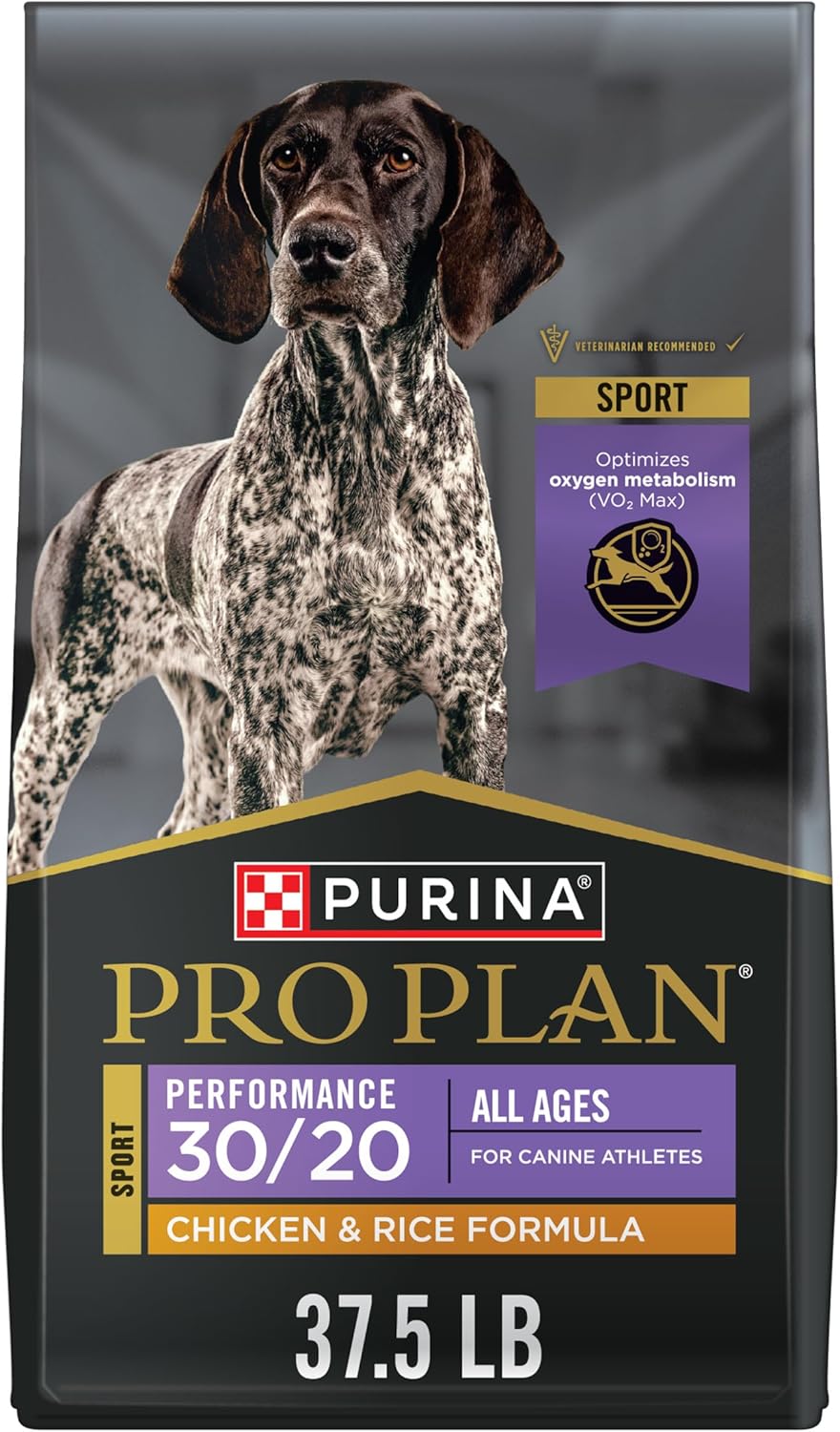
Best Dog Food for Active Dogs (2026): 6 Athletic Formulas
Compare six high-protein performance formulas by calories, protein-to-fat ratio, and price per pound.
Honest Kitchen Whole Grain Chicken Review (2026)
A researched look at the Whole Grain Chicken recipe, including ingredients, calories, package yield, preparation and trail-planning tradeoffs.