Hammock camping with a dog starts with one decision: where can this individual dog sleep safely and comfortably? Sharing your hammock is only one option. A separate low hammock, a ground pad under the tarp or an enclosed ground shelter may fit better.
Step 1: Check the Hammock and the Dog
Read the hammock manufacturer’s capacity, suspension and intended-use instructions before adding a dog. The relevant load is the combined human, dog and gear load, but a static capacity number does not tell you whether the fabric, shape or suspension is suitable for a moving animal.
Also assess the dog. A dog that shifts frequently, startles at night, resists unstable surfaces or cannot enter and exit under control may be a poor candidate for sharing. Body size matters because the dog must fit without creating pressure points or blocking your exit, but there is no universal pound cutoff that applies to every hammock.
If the equipment documentation does not support the setup, or the dog cannot settle and move safely, use the ground-pad arrangement in Step 2.
A properly fitted harness can help with controlled movement around camp, but it should not be used to lift a dog unless its manufacturer specifically permits that use.
Step 2: Choose a Sleep Arrangement
These four arrangements cover the practical choices. Select one based on the equipment instructions, site, weather and the dog’s demonstrated comfort.
Option 1: Share Your Hammock
Use this only when the hammock manufacturer permits the combined load and the dog can enter, settle and exit without destabilizing the setup. A washable liner can reduce direct claw contact with the hammock fabric. Practice the complete entry and exit routine at home.
Option 2: Use a Separate Low Hammock
A separate gear hammock can create an elevated resting surface, but a gear capacity rating does not automatically approve it for a live animal. Check the manufacturer’s intended use and inspect the suspension, fabric and site before considering it. Keep it low enough that a voluntary exit does not create a fall hazard.
Option 3: Use a Ground Pad Under the Tarp
Place a dog-sized insulated pad on cleared ground beneath the tarp. Confirm that the tarp protects both your hammock and the dog’s entire sleep area from expected rain and runoff.
Option 4: Use an Enclosed Ground Shelter
A dog shelter or tent beneath or beside the hammock can suit a dog that settles better in a contained space. Check how the product attaches, confirm ventilation and weather protection, and keep the dog able to exit safely.
| Arrangement | Best fit | Main tradeoff |
|---|---|---|
| Shared hammock | Dog and equipment already proven comfortable together | Movement and claws can affect fabric and stability |
| Separate low hammock | Product permits the use and dog accepts movement | Requires separate suspension and careful inspection |
| Ground pad under tarp | Broadest range of dogs and easy fallback | Needs suitable ground and full tarp coverage |
| Enclosed ground shelter | Dog prefers a contained sleep space | Adds gear and setup complexity |
Step 3: Practice in Voluntary Stages
Train at home and let the dog’s behavior set the pace. A fixed four-week schedule cannot account for individual comfort, prior experience or the equipment.
- Introduce the material on stable ground. Let the dog investigate without being placed on it.
- Reward voluntary contact. Stop while the dog remains relaxed.
- Introduce minimal movement. Keep the surface low and allow an immediate exit.
- Practice the full camp setup. Include the tarp, tether arrangement, liner and ground fallback.
- Try an overnight close to home. Switch to the ground setup if the dog cannot settle.
Repeated exit attempts, a tucked tail, rest panting or other stress behavior are reasons to stop or return to an earlier stage. A dog does not need to graduate to hammock sharing. Comfortable ground sleep is a complete solution.
Keep nails smooth before practice and trips. A liner can reduce fabric contact, but inspect the hammock before and after each session.
Step 4: Set Up the Hammock, Tether and Tarp
Follow the hammock manufacturer’s hang instructions. For a dog-sharing setup, the dog should be able to enter and exit under control without a risky jump. If that is not possible, use the ground arrangement.
Keep any tether separate from the hammock suspension so the dog’s movement does not load the hammock or anchor points. Choose the tether length and attachment system for the dog and campsite: the dog should be able to stand, turn and lie down without reaching hazards, wrapping around trees or tangling in suspension lines.
Extend tarp coverage over the dog’s complete ground area, including the pad and the space the tether allows. Clear sharp objects, check drainage and avoid insect nests before setting the pad.
A thru-hike with a dog adds food, water and campsite constraints that are easy to miss on a single overnight.
Step 5: Plan Insulation for the Conditions
There is no universal temperature chart for every dog. Coat, body size, age, health, conditioning, wind, moisture and whether the dog is elevated or on the ground all change the insulation needed.
Start with insulation beneath a ground-sleeping dog, because contact with cold or wet ground can draw heat away. Choose a pad that fits the dog in its normal sleeping position and can tolerate claws. Add a properly fitted jacket, quilt or dog sleep system according to the product instructions and the dog’s demonstrated needs.
Watch the dog rather than relying on a threshold. Shivering, repeated attempts to burrow, reluctance to lie down or an inability to settle are reasons to add protection, move to a warmer shelter or end the exposure. Discuss cold-weather plans with your veterinarian when the dog has a health condition or limited cold tolerance.
Step 6: Troubleshoot Without Forcing the Setup
The Dog Refuses the Hammock
Switch to the ground pad or an enclosed ground shelter. Do not force, restrain or medicate a dog to make it tolerate hammock camping. If anxiety or inability to settle is a recurring concern, discuss it with your veterinarian as a welfare issue rather than using medication as a camping workaround.
Nails or Fabric Create a Problem
Stop using damaged fabric and follow the hammock manufacturer’s inspection and repair guidance. Keep nails smooth, use a liner and rehearse controlled entry and exit. Carrying repair tape does not make a damaged hammock safe to use.
The Dog Will Not Settle
Check for tangling, poor tarp coverage, wet or uneven ground, cold, heat, insects, wildlife activity and an unfamiliar sleep surface. Give the dog a calm ground option. Normal daytime activity is enough preparation; exhausting a dog is not a training method or a guarantee of sleep.
If the dog still cannot rest comfortably, switch shelters or end the overnight. The goal is a workable sleep system, not making the dog endure one particular arrangement.
Step 7: Pre-Trip Checklist
- Hammock and suspension checked against manufacturer instructions
- Combined load within the manufacturer’s stated capacity
- Dog has voluntarily practiced the planned setup
- Ground pad or ground shelter ready as a fallback
- Tether system independent of hammock suspension
- Tarp covers the dog’s full sleep and tether area
- Pad and insulation selected for the dog and expected conditions
- Nails smooth and hammock fabric inspected
- Dog first aid kit, water bowl and waste bags packed
- Product instructions available for unfamiliar gear
For the rest of the multi-day kit, see the dog gear list for long-distance and thru-hiking.
Frequently Asked Questions
- Can a large dog sleep in a hammock with me?
- Dog weight alone cannot answer that. Check the hammock manufacturer's capacity and intended use, account for the combined load and consider whether the dog can enter, settle and exit without damaging or destabilizing the hammock. If any part is uncertain, use a protected ground pad under the tarp.
- How do I keep my dog warm while hammock camping?
- Plan for the individual dog's coat, size, health, conditioning and cold tolerance, plus wind, moisture and ground conditions. Use suitable insulation beneath a ground-sleeping dog and add a properly fitted jacket or sleep system when conditions call for it. Watch the dog and change plans if it cannot stay comfortable.
- How long does it take to train a dog to sleep in a hammock?
- There is no universal timeline by breed or size. Practice at home in short, voluntary stages and advance only while the dog remains relaxed. Some dogs will not accept a moving sleep surface; a ground pad under the tarp remains the practical alternative.
- What if my dog refuses to get in the hammock?
- Do not force or medicate the dog to make the setup work. Use a protected ground pad under the tarp, or switch to a tent or other ground shelter that the dog can use comfortably. Hammock camping does not require the dog to share the hammock.
- How do I tether my dog while hammock camping?
- Use a secure system appropriate to the dog, site and local rules, and keep it independent of the hammock suspension. The dog should be able to stand, turn and lie down without reaching hazards or becoming tangled. Supervise the setup and inspect attachment points.
- Will my dog's nails damage my hammock?
- They can. Keep nails smooth, use a protective liner and practice controlled entry and exit at home. Inspect the hammock fabric before each trip and follow its manufacturer's care and use instructions.
Get the free Dog Hiking Trail Pack
A printable pre-hike checklist, trail feeding cheat-sheet, and paw + heat safety guide. Free, no spam.
About FidoHikes
Our hiking background includes 900 miles on the Appalachian Trail with our dog Toby. For the basis of a gear recommendation, check the article's experience notes and sources.
Related Articles
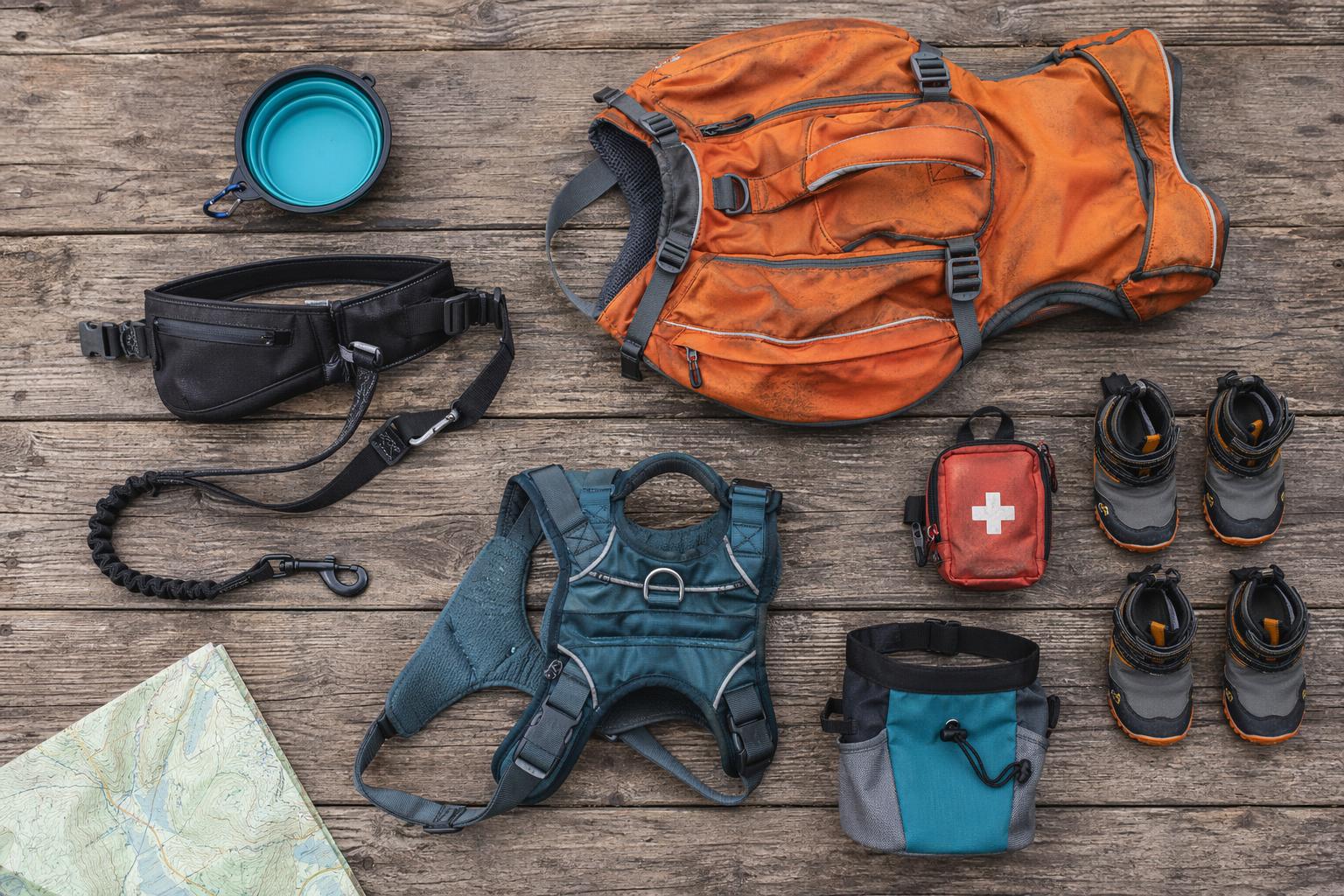
Dog Gear List for Thru-Hiking: Planning Guide
A practical dog gear list for thru-hiking, with route-aware food, water, sleep, paw-care, safety, and storage planning.
7 Dog Harnesses for Hiking: Features and Fit Compared
Compare seven hiking harnesses by published features, leash attachments, handle design and fit. Includes product photos, buying links and sizing guidance.
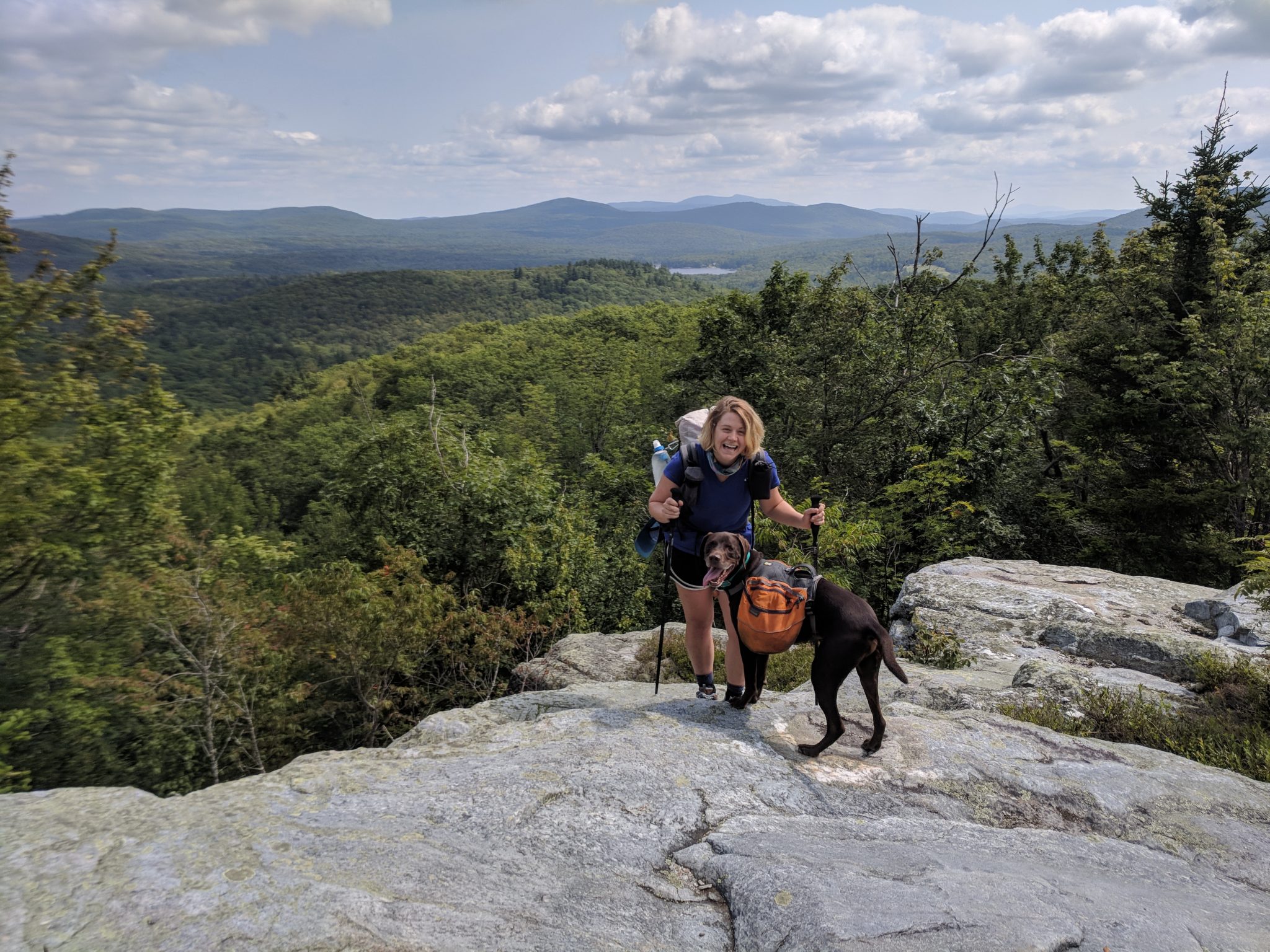
Thru Hiking with a Dog: AT Planning Guide
A planning guide for hiking long distances with a dog, covering preparation, regulations, budgets, and the decisions that put your dog's needs first.