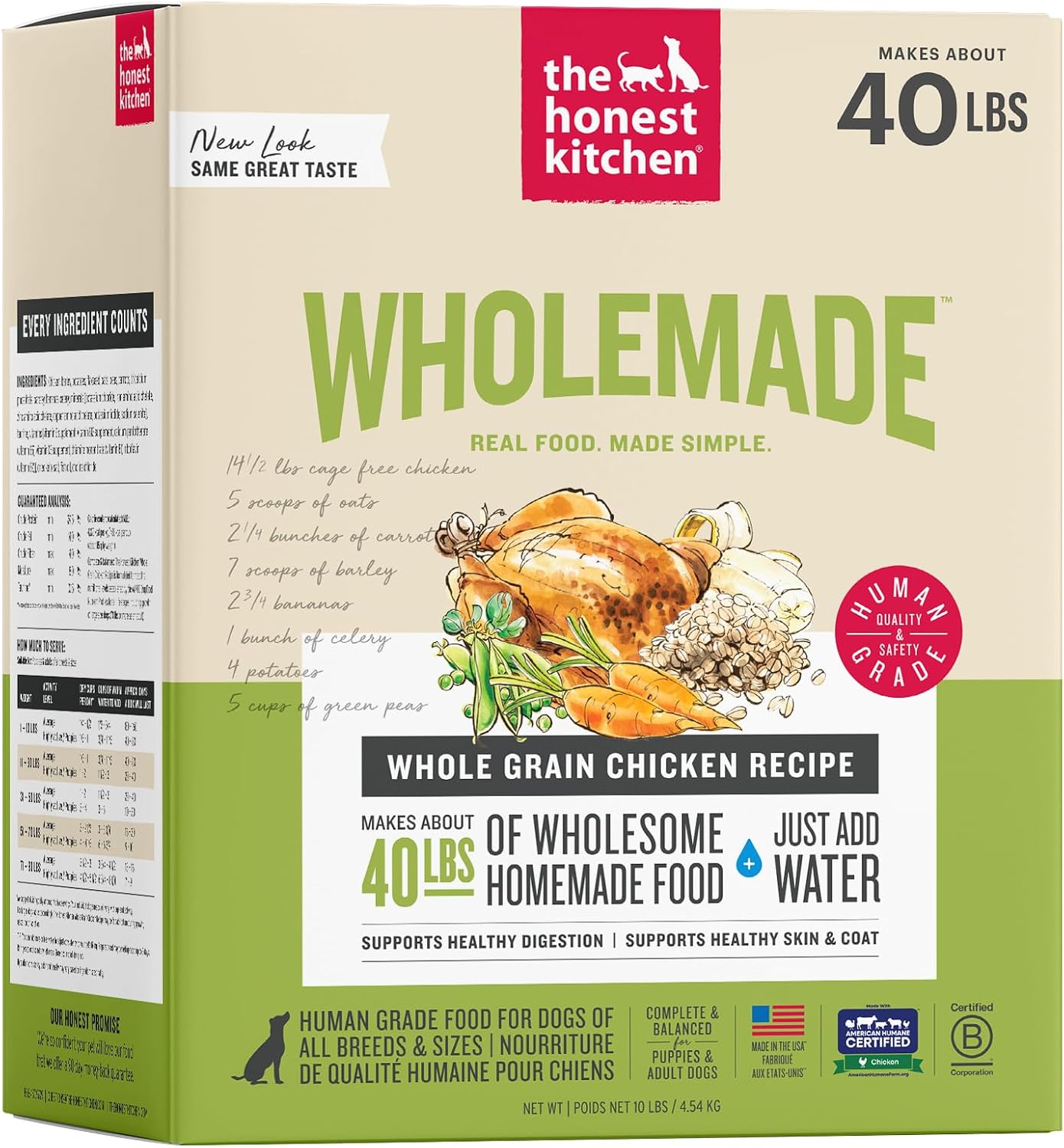

Honest Kitchen Whole Grain Chicken Review
Short version: Wholemade Whole Grain Chicken is a shelf-stable dehydrated food with clear calorie and package-yield information, but it still requires water and meal preparation. The manufacturer lists 485 calories per dry cup, about 40 dry cups in the 10-pound box and a three-minute wait after adding warm water.
This is a research review of the published product information. FidoHikes did not test or feed this product, so the verdict does not claim a taste, digestion, energy or trail-performance result.
The product card below is registered to the Whole Grain Chicken 10-pound listing, ASIN B00TM9PJ24. The older Turkey listing is a different recipe and is not used in this review.
What’s in Whole Grain Chicken
The current manufacturer recipe page lists these main ingredients: chicken, barley, potatoes, flaxseed, oats, peas, carrots, tricalcium phosphate, parsley, bananas, celery, minerals, taurine, vitamins, dried kelp, salt, fish oil and choline chloride.
Its published guaranteed analysis is:
| Nutrient | As fed |
|---|---|
| Crude protein | 24.5% |
| Crude fat | 14.0% |
| Crude fiber | 4.0% |
| Moisture | 8.0% |
Those numbers describe this Chicken recipe. They should not be applied to the brand’s Turkey, Beef, grain-free or kibble products.
The manufacturer defines its human-grade claim to mean that each ingredient meets the safety and quality standards required for human food and that the food is made in a facility meeting human-food safety standards. It also says the proteins are cooked to an internal temperature of at least 165°F before dehydration. Those are manufacturer statements, not evidence that this recipe suits every dog.
Calories, Box Yield and Carry Weight
The manufacturer publishes three figures that make the dry-food math possible:
- 485 kcal per dry cup
- about four dry cups per pound
- about 40 dry cups in a 10-pound box
From those figures, a 10-pound box contains about 19,400 calories. Ten pounds is about 4.54 kilograms, so the recipe works out to approximately 4,280 kcal per kilogram. It takes about 8.2 dry ounces to provide 1,000 calories.
| Planning figure | Whole Grain Chicken |
|---|---|
| Calories per dry cup | 485 kcal |
| Dry cups per 10 lb box | About 40 |
| Calories per 10 lb box | About 19,400, calculated |
| Calories per kilogram | About 4,280, calculated |
| Dry ounces per 1,000 calories | About 8.2, calculated |
These calculations describe the dry food before water is added. The manufacturer’s statement that a 10-pound box makes 40 pounds of fresh food refers to prepared yield, not the weight you carry before rehydration.
Dehydrated food is not automatically lighter per calorie than every kibble or freeze-dried food. Compare the approximately 4,280 kcal/kg figure with the current kcal/kg label for the exact alternative. Calories per cup measure volume and do not establish carry weight by themselves.
What It Costs
Price and availability can change by seller and date, so this review does not lock in a box price or daily cost. The useful formulas are:
- Cost per dry cup: current 10-pound box price ÷ 40
- Cost per 1,000 calories: current 10-pound box price ÷ 19.4
- Estimated cost per day: cost per dry cup × your dog’s daily dry cups
That keeps the comparison tied to the price you can actually buy and the ration appropriate for your dog. It also avoids treating the manufacturer’s average-activity example as a strenuous-trail feeding recommendation.
Preparation and Water Planning
The manufacturer directs owners to add warm water, stir, wait three minutes and serve. The current product page does not publish a universal cold-water time, a trail-specific water allowance or a claim that partially rehydrated food is safe, so this review does not supply those numbers.
For route planning, count meal-preparation water separately from drinking water. Try the exact food and preparation routine at home before relying on it during a trip. A dog’s response at home is still specific to that dog; it does not establish a general digestion or palatability claim.
Pros
- 485 kcal per dry cup and about 40 dry cups per 10-pound box
- Published package figures allow a mass-based calorie calculation
- Shelf-stable format in multiple package sizes
- Three-minute preparation time when mixed with warm water as directed
Cons
- Requires water and preparation before serving
- Current price must be checked before comparing cost per calorie
- Palatability and tolerance vary by dog
- The prepared-food weight is not the dry carry weight
Portion and Resupply Planning
The manufacturer says a 10-pound box contains about 40 dry cups. To estimate how long it lasts, divide 40 by the number of dry cups your dog receives per day. For example, the product page’s average-activity example uses one dry cup per day for a 30-pound dog, which would make the box last about 40 days. That example is not a prescription for a 30-pound dog hiking all day.
Use the current feeding directions and veterinary guidance to set your dog’s ration. Then verify current retailer availability, carrier rules, postage and pickup windows for every planned resupply. This review does not assume that a 10-pound box lasts a fixed number of trail days or that shipping has a fixed cost.
How It Compares
When comparing this food with kibble or freeze-dried food, use the same units for every exact recipe:
- Calories per kilogram for dry carry weight
- Dry ounces per 1,000 calories for an intuitive trail quantity
- Current price per 1,000 calories for cost
- Preparation water and handling directions
- Suitability and tolerance for your dog
Our guide to dehydrated versus freeze-dried dog food explains the format differences. The active-dog food guide compares this recipe with other exact products. Neither comparison treats the Chicken recipe’s numbers as brand-wide specifications.
The Verdict
Honest Kitchen Whole Grain Chicken is a practical candidate when its calculated dry calorie density, preparation method and current cost fit your dog and route. Its strongest planning advantage is transparent package math: 485 kcal per dry cup and about 40 dry cups per 10-pound box yield approximately 4,280 kcal/kg.
Its limitations are equally clear. It needs preparation water, the current price must be checked, and published specifications cannot predict how a particular dog will tolerate or enjoy it. Try the exact recipe before depending on it away from home, and use professional guidance when changing food for a dog with health or dietary concerns.
If you’re assembling the rest of the kit, the dog gear list for long-distance hiking and waterproof backpacking collar review cover other pieces to consider.
Frequently Asked Questions
- Is Honest Kitchen Whole Grain Chicken a good dog food?
- The current recipe page lists chicken first, 24.5% protein, 14% fat, 4% fiber, 8% moisture and 485 kcal per dry cup. Whether it is appropriate for your dog depends on the dog's health, life stage, calorie needs and tolerance. Those published figures do not replace advice from your veterinarian.
- How much Honest Kitchen should I feed my dog on trail?
- Use the current feeding directions for this exact recipe as a starting point and adjust only with appropriate veterinary guidance. The manufacturer gives 485 kcal per dry cup and says a 10-pound box contains about 40 dry cups. Do not use the average-activity example on the product page as a universal trail ration.
- Is Honest Kitchen lighter than kibble for backpacking?
- That depends on the exact kibble. The published figures for this recipe work out to about 4,280 kcal per kilogram of dry food, or about 8.2 dry ounces per 1,000 calories. Compare that mass-based figure with the current label of the other food rather than comparing calories per cup.
- How much does Honest Kitchen Whole Grain Chicken cost per day?
- The answer changes with the current package price and your dog's ration. For the 10-pound box, divide the current price by about 40 to estimate cost per dry cup, then multiply by the number of cups fed. This review does not use a fixed price or a universal daily serving.
- Is Honest Kitchen good for picky eaters?
- Palatability varies by dog. The manufacturer offers smaller packages as well as the 10-pound box, so trying the prepared texture in a smaller quantity can reduce the commitment before building a longer resupply plan around it.
- How long before a hike should I switch to Honest Kitchen?
- The current product page gives preparation directions but does not publish a transition schedule. Ask your veterinarian how to change foods for your dog, and establish that your dog tolerates the exact recipe before depending on it away from home.
- Can I ship Honest Kitchen to trail towns?
- A 10-pound box is shelf stable and contains about 40 dry cups, but carrier rules, postage, retailer availability and pickup windows can change. Verify each destination and shipping cost when planning rather than assuming a fixed interval or price.
- Is dehydrated dog food better than freeze-dried for thru-hiking?
- Neither format is always better. Compare the exact foods by calories per kilogram, current cost per 1,000 calories, preparation water, handling directions and your dog's needs. This recipe's published package figures work out to about 4,280 kcal per kilogram.
- Which Honest Kitchen recipe is best for hiking?
- There is no universal best recipe. This review covers Wholemade Whole Grain Chicken only. Compare current labels for any other recipe rather than carrying over this recipe's 485 kcal per cup, ingredient list or package calculations.
Get the free Dog Hiking Trail Pack
A printable pre-hike checklist, trail feeding cheat-sheet, and paw + heat safety guide. Free, no spam.
About FidoHikes
Our hiking background includes 900 miles on the Appalachian Trail with our dog Toby. For the basis of a gear recommendation, check the article's experience notes and sources.
Related Articles
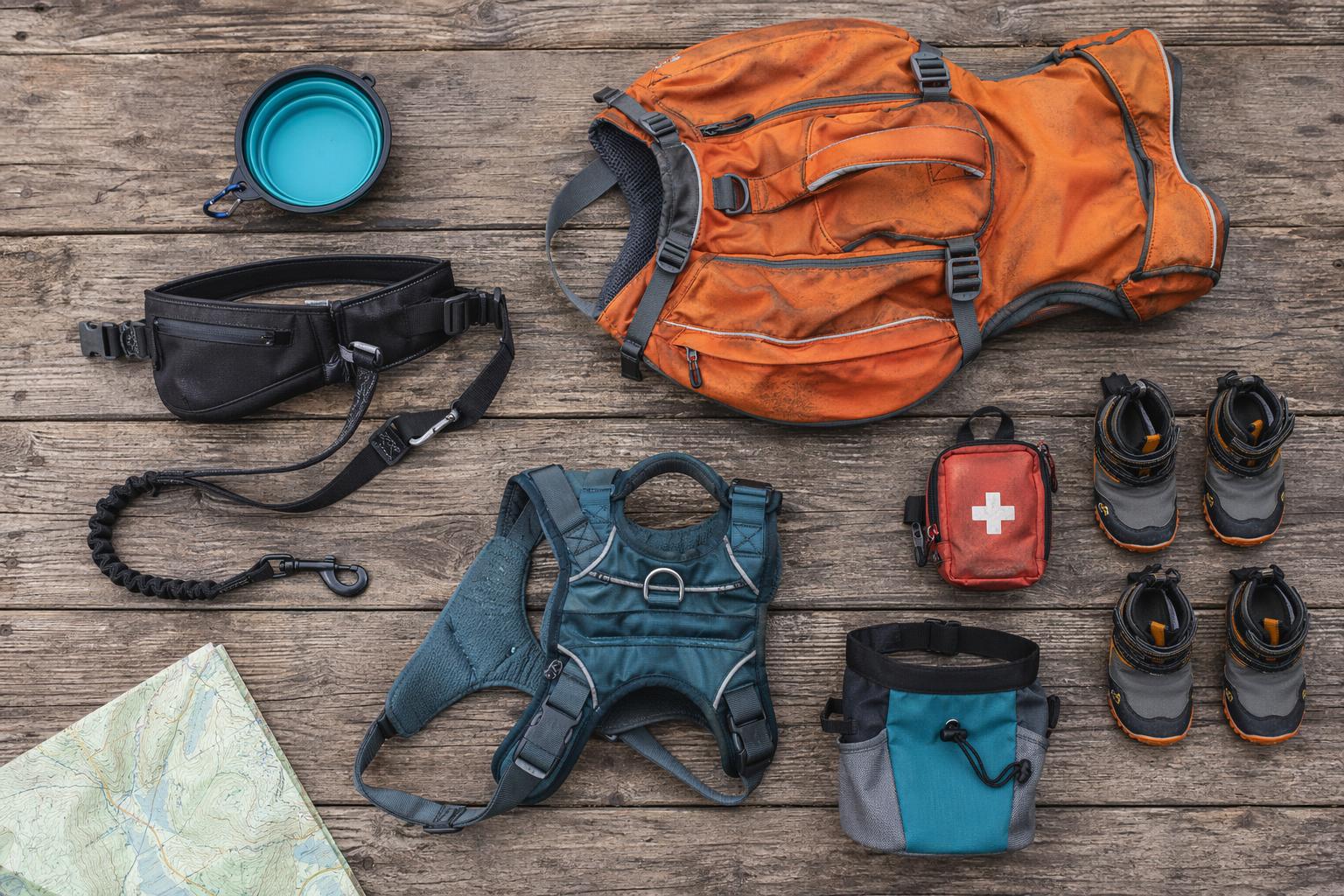
Dog Gear List for Thru-Hiking: Planning Guide
A practical dog gear list for thru-hiking, with route-aware food, water, sleep, paw-care, safety, and storage planning.
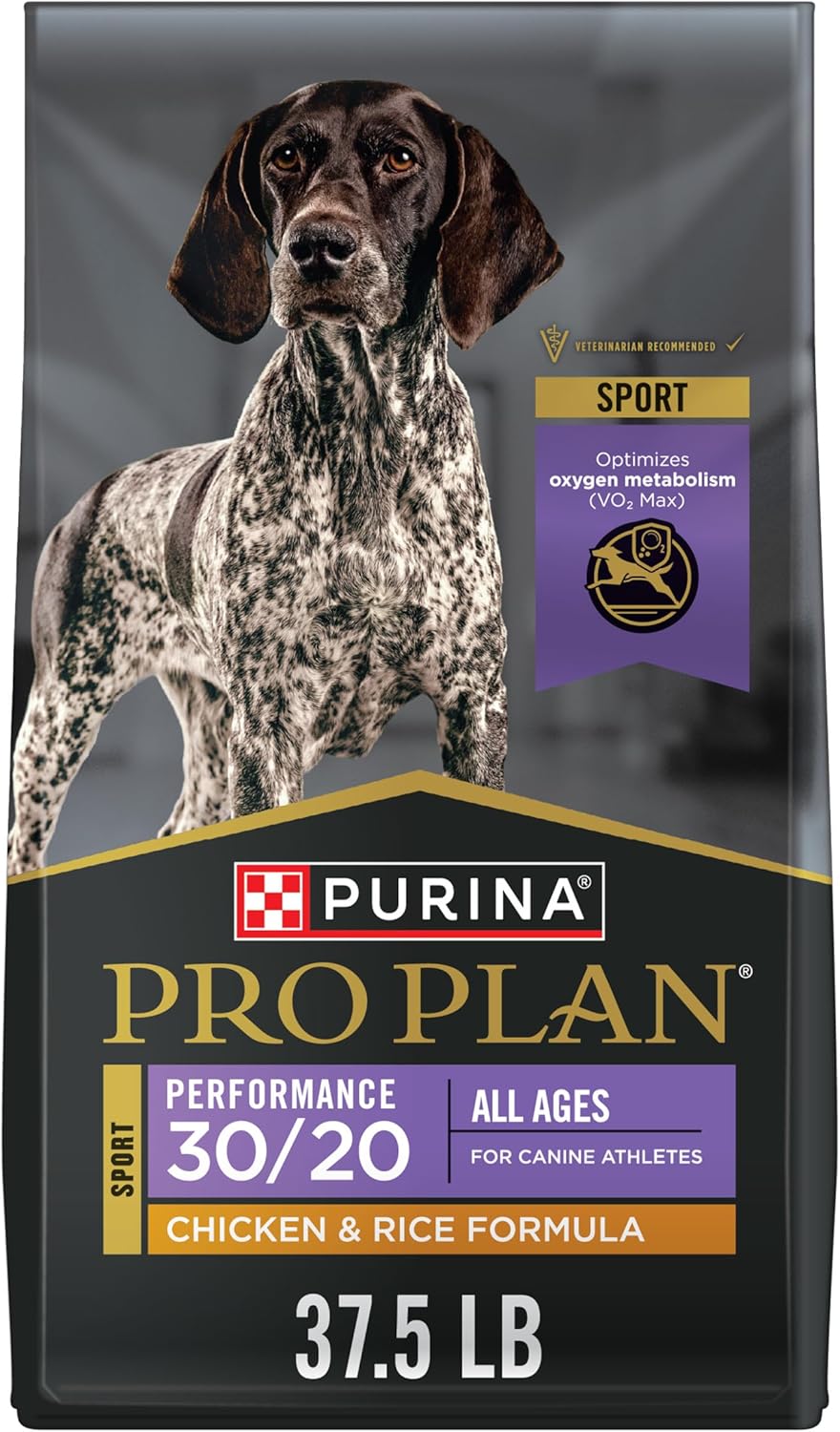
Best Dog Food for Active Dogs (2026): 6 Athletic Formulas
Compare six high-protein performance formulas by calories, protein-to-fat ratio, and price per pound.
Dehydrated vs. Freeze-Dried Dog Food for Backpacking
Dehydrated vs. freeze-dried dog food for backpacking, compared by calories per ounce, preparation water, cost, and raw-food handling.
Dog Calorie Calculator: Daily and Trail Needs by Weight
Free dog calorie calculator plus a kcal-by-weight chart. Get daily calories, cups of food, and pack weight for rest days, day hikes, and backpacking.