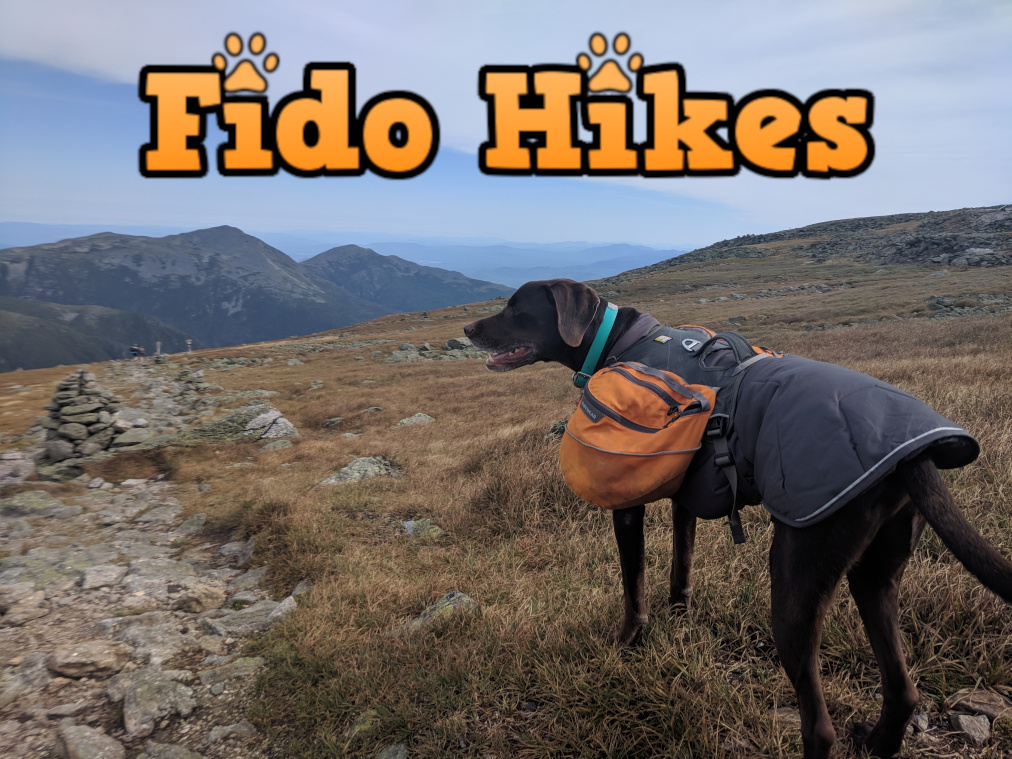

Toby and I were two miles from the trailhead on a 90-degree Tennessee section when his water bottle ran dry. I was rationing my own water into my palm for him. The best dog water bottle for hiking depends on your dog’s size, hike length, and whether you’re day hiking or backpacking. After 900 miles on the AT with my 75-lb chocolate lab/GSP mix, I’ve tested every style.
| Bottle | Price | Weight | Capacity | Best For |
|---|---|---|---|---|
| Springer Flip | ~$25-35 | 4.9 oz | 20 oz | Best Overall |
| PupFlask Portable | ~$27 | 0.75 lbs | 27/40 oz | Best for Large Dogs |
| MalsiPree Portable | ~$22 | 0.33 lbs | 19 oz | Best Budget |
| Springer Insulated | ~$35-40 | 1.1 lbs | 24 oz | Best for Hot Weather |
| Ruffwear Bowl + Sawyer | ~$55-65 | 3.6 oz | Unlimited | Best for Backpackers |
Day hikers with small-to-medium dogs grab the Springer Flip. Large dog owners go PupFlask. Budget pick is the MalsiPree. Summer heat calls for the Springer Insulated, and backpackers skip bottles entirely for a Ruffwear bowl with a Sawyer Squeeze filter.
How Much Water Does Your Dog Need on Trail?
Your dog needs 0.5 to 1.0 oz of water per pound of body weight per hour of hiking. That number comes from veterinary nutritionist Dr. Jennifer Larsen (DVM, PhD, DAVCN). In temperatures above 80F, multiply by 1.5x. Above 5,000 feet elevation, add another 50-100%.
If your dog carries a pack, add 25% on top of that. These multipliers stack. A 50-lb dog on a hot August hike at altitude can burn through 150 oz per hour at the extreme end.
| Dog Weight | 2 Hours (Mild) | 4 Hours (Mild) | 4 Hours (Hot) | 8 Hours (Hot) |
|---|---|---|---|---|
| 25 lbs | 25-50 oz | 50-100 oz | 75-150 oz | 150-300 oz |
| 50 lbs | 50-100 oz | 100-200 oz | 150-300 oz | 300-600 oz |
| 75 lbs | 75-150 oz | 150-300 oz | 225-450 oz | 450-900 oz |
Look at those 4-hour hot weather numbers. A 50-lb dog needs 150-300 oz. That’s 7-10 refills of a 27 oz bottle. No single bottle replaces water sources on trail.
No bottle solves dehydration if you miss the signs. Check your dog’s gums: they should be wet and slick, not dry or tacky. Pinch the scruff on the back of your dog’s neck and release. If the skin takes more than 2 seconds to flatten, your dog is dehydrated.
Offer water before your dog asks. Once you see heavy panting and slowed pace, dehydration has already started. Excessive panting, stumbling, or refusing to walk are late-stage signs that need immediate shade, water, and possibly a vet.
1. Springer Flip Dog Water Bottle
Best Overall. The Springer Flip weighs 4.9 oz empty, holds 20 oz, and costs $25-35. That weight makes it the lightest integrated dog water bottle on the market. For day hikers who count ounces, nothing else comes close.
Squeeze-to-fill design eliminates fumbling. You flip the attached trough open, squeeze the bottle, and water fills the bowl. Your dog drinks, you release pressure, and unused water drains back in. Treeline Review tested the Springer Flip on 8 dogs ranging from 20 to 95 lbs over 2+ months and rated it their top pick.
At 4.9 oz, it disappears in your pack. Clip it to a hip belt, drop it in a side pocket, or hand-carry it. The slim profile fits standard water bottle pockets on most daypacks. Filled, you’re looking at about 1.4 lbs total.
The valve does wet your hand. Every squeeze pushes a small amount of water past the seal onto your fingers. It’s not a dealbreaker, but it’s worth knowing if you’re fussy about grip on trekking poles.
The bigger limitation is capacity. At 20 oz, a large dog can drain this in two stops. On a hot 4-hour hike with a 75-lb dog, you’ll refill 5+ times or carry a second bottle.
Best for: Day hikers, small-to-medium dogs, 2-3 hour hikes in mild weather. Skip if: You have a large dog or plan 4+ hour hikes in heat. The 20 oz capacity can’t keep up.
2. PupFlask Portable Dog Water Bottle
Best for Large Dogs. The PupFlask holds 27 or 40 oz in a stainless steel body, weighs 0.75 lbs empty, and costs around $27. If you hike with a 50+ lb dog, this is the first bottle to look at. The 40 oz version gives you twice the capacity of most competitors.
Widest bowl of any integrated bottle. Large dogs struggle with narrow trough openings. They lap half the water onto the ground instead of into their mouth. The PupFlask’s bowl is wide enough for a Lab or German Shepherd to drink comfortably without spilling a third of each serving.
Stainless steel solves two problems at once. Plastic bottles left in a sun-baked vehicle release compounds into the water that some dogs taste and refuse. Stainless steel doesn’t hold flavors between fills, so dogs that reject funky-tasting water from plastic often drink without hesitation from steel.
Weight math matters for hikers. The 40 oz PupFlask loaded weighs 3.25 lbs total (0.75 lbs bottle + 2.5 lbs water). It also doesn’t fit standard cupholders, so car-to-trail transfers require a bag or hand carry. You lose about 0.25 oz per use to evaporation and spillage, which adds up over a long day.
Best for: Dogs 50+ lbs, moderate day hikes of 3-5 hours, owners who want stainless steel. Skip if: You’re an ultralight hiker or have a small dog. The weight and bowl size are overkill under 40 lbs.
3. MalsiPree Portable Dog Water Bottle
Best Budget. The MalsiPree weighs just 0.33 lbs, holds 19 oz, and costs around $22. With 30,000+ Amazon reviews, it’s the most popular dog water bottle on the market. The price-to-function ratio is hard to beat for casual hikers.
True one-handed operation sets this apart. Press the lock button, squeeze the bottle, water fills the trough. On trail, your other hand is holding a leash or a trekking pole, and any bottle requiring two hands means stopping completely and breaking your rhythm. The MalsiPree doesn’t ask for that.
The bowl opening limits dog size. Dogs over 40 lbs will struggle to drink efficiently from the narrow trough. Smaller breeds and medium dogs do fine. The silicone seal where the trough meets the bottle can develop mold if you don’t clean it weekly. Disassemble completely, soak in white vinegar for 10 minutes, and air dry open.
Best for: Casual hikers, small-to-medium dogs under 40 lbs, anyone on a budget. Skip if: You have a large dog or plan multi-day trips. The capacity and bowl size won’t cut it.
4. Springer Insulated Dog Water Bottle
Best for Hot Weather. The Springer Insulated holds 24 oz in a double-walled stainless steel body, weighs 1.1 lbs empty, and costs $35-40. It keeps water cold for 12 hours. That single feature solves a problem most hikers don’t think about until it’s too late.
Water in a dark pack hits 90F+ within an hour on summer hikes. Dogs refuse warm water, and a dog that won’t drink starts a dehydration cycle that accelerates with every mile. Cold water from an insulated bottle gets accepted immediately.
The detachable bowl is a nice touch. Pop it off, fill it from a stream, and give your dog a drink without contaminating your clean supply. On mixed-source days where you’re alternating between carried water and filtered stream water, this flexibility saves time.
At 1.1 lbs empty, this is the heaviest option on the list. Filled, you’re carrying 2.6 lbs. For summer hikers in the Southeast, Southwest, or anywhere temps push above 80F consistently, the weight is justified by the fact that your dog will actually drink.
Best for: Summer hikes above 80F, desert trails, dogs that refuse warm water. Skip if: You hike in cool weather or prioritize pack weight. The insulation adds bulk you won’t need below 75F.
5. Ruffwear Trail Runner Bowl + Sawyer Squeeze
Best for Backpackers. The Ruffwear Trail Runner Bowl weighs 0.64 oz and costs $20. The Sawyer Squeeze filter weighs 3 oz and costs $35-45. Total system: 3.6 oz, $55-65. For multi-day hikers, this combination replaces every integrated bottle on the market.
The math is simple. An integrated bottle gives you 20-40 oz at 5-18 oz of carry weight. A bowl and filter give you unlimited water at 3.6 oz. On a 3-day trip with a 75-lb dog needing 150+ oz per day, you’d carry 28 lbs of water or 3.6 oz of gear.
The Sawyer Squeeze removes 99.99999% of bacteria and 99.9999% of protozoa. That covers giardia, leptospirosis, and cryptosporidium. One Tennessee vet told me they see giardia cases every 2-3 days during hiking season. Lepto comes from wildlife urine in standing water.
One critical exception: blue-green algae. Cyanobacterial toxins pass through the Sawyer. Blue-green algae can kill a dog in minutes, and you cannot distinguish toxic blooms from non-toxic ones by sight. If you see green scum, foam, or paint-like streaks on water, keep your dog away entirely.
The Ruffwear Trail Runner Bowl packs to the size of an egg and pops open into a stable, wide-brimmed bowl. For more durability, the CTUG Ultra Bowl ($38, 1.6 oz) uses XPAC sailcloth that resists punctures better than anything on the market.
This system requires water sources. On a dry ridgeline or desert section, a bowl and filter are useless. Check your route’s water report before committing to this setup.
Best for: Backpackers, thru-hikers, routes with reliable water sources every 1-3 miles. Skip if: You’re day hiking short loops or hiking desert terrain with limited water access.
Frequently Asked Questions
- My dog won't drink from a bottle on trail. What do I do?
- Start training at home. Fill the bottle, squeeze water into the trough, and reward your dog when they drink daily for a week before your first hike. Some dogs refuse the trough format, so pour into a collapsible bowl instead. Never force your dog's muzzle into the opening.
- How do I prevent mold in dog water bottles?
- Disassemble completely after every hike. Remove silicone seals, the trough, and any rubber gaskets. Soak in a 1:4 white vinegar and water solution weekly for 10 minutes. Air dry with all parts separated and open. Replace silicone seals every 6 months.
- Collapsible bowl vs integrated bottle: which is better?
- Integrated bottles are faster on trail. One hand, squeeze, your dog drinks, done. Collapsible bowls are lighter and pair with any water source. For day hikes under 4 hours, integrated wins on convenience. For backpacking, a bowl plus filter wins on weight and unlimited capacity.
- Can my dog drink from streams without a filter?
- Not safely. Giardia, leptospirosis, and cryptosporidium are common in trail water across the US. A Sawyer Squeeze removes 99.99999% of bacteria and 99.9999% of protozoa. It does NOT remove blue-green algae toxins, which can kill a dog within minutes.
- How much water should I carry for my dog on a day hike?
- Plan for 1 oz per pound of body weight per hour. A 50-lb dog on a 3-hour hike needs about 150 oz in mild conditions. In heat above 80F, multiply by 1.5x. Plan refill points before you leave the trailhead.
- Do dog water bottles work in freezing temps?
- Insulated bottles resist freezing for several hours. The Springer Insulated keeps water liquid down to about 20F for 4-6 hours. Uninsulated plastic can freeze solid on a winter day hike. Carry your dog's water inside your pack close to your back, where body heat slows freezing.
Trail-Tested with Toby
Everything on FidoHikes comes from real experience — 900 miles on the Appalachian Trail with our dog Toby. No sponsored posts, no armchair advice. Just what actually worked (and what didn't) on the trail.
Read our story →Related Articles
7 Best Dog Harnesses for Hiking (Trail-Tested)
Trail-tested reviews of the best dog harness for hiking: Ruffwear Front Range, Web Master, Kurgo, and more. Price, weight, pros/cons, and grab handle ratings.

Best Dog Life Jacket: 5 Trail-Tested Picks
5 trail-tested dog life jackets for hiking, SUP, and stream crossings. Find the best dog life jacket for your breed and adventure style.