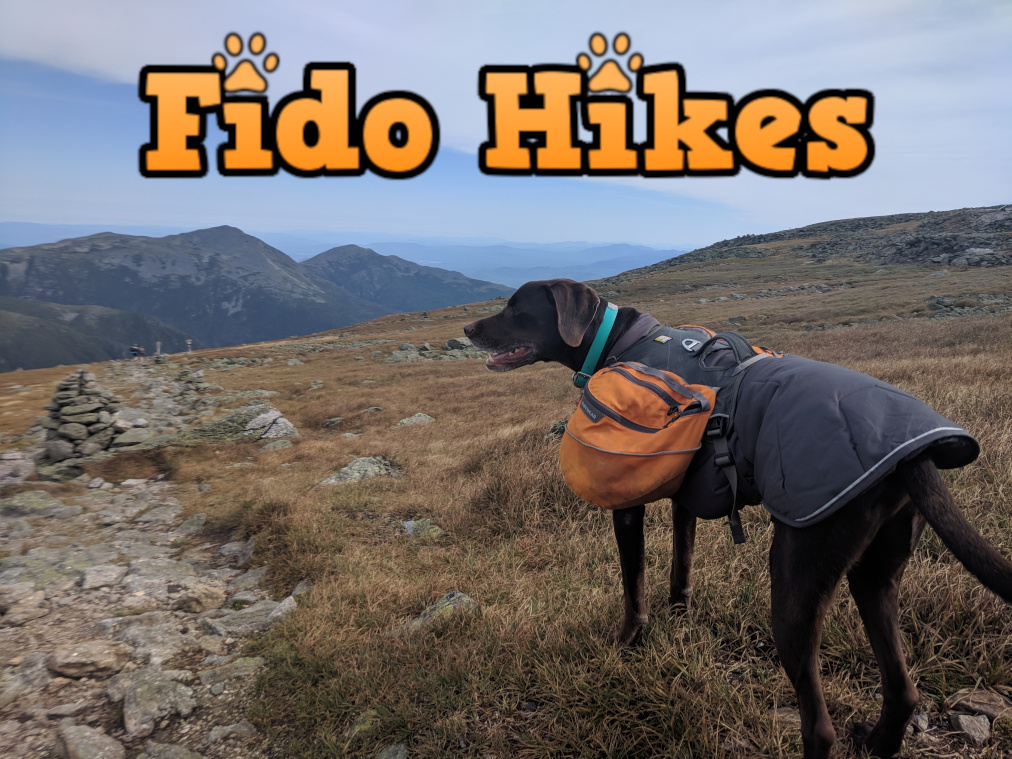
National park dog rules are stricter than most people expect and less consistent than they should be. The policy that bans dogs from the trails at Yosemite is the same policy that welcomes them onto nearly every path at Shenandoah. The difference is in how each park applies it. This guide covers the general National Park Service pet policy, the B.A.R.K. Ranger program, the leash and gear rules that apply almost everywhere, and how to plan a trip your dog is genuinely allowed to join.
Are Dogs Allowed in National Parks? The Short Answer
Yes, dogs are allowed in national parks. The catch is where.
Every one of the 60-plus national parks lets you bring a leashed dog into its developed areas. That means campgrounds, picnic areas, parking lots, paved roads, and the paved paths and overlooks near visitor centers. If your goal is a road trip where the dog sleeps in the tent and stretches his legs at the scenic pullouts, almost any park works.
The restriction people run into is on the trails. In most parks, dogs are not allowed on unpaved hiking trails, in the backcountry or wilderness, inside buildings, or on shuttle buses. That single rule is what makes so many famous parks feel closed to dog owners, because the reason you drove there in the first place, the trail, is often the one place your dog can’t set foot.
A small group of parks breaks that pattern and allows dogs on most or all of their trails. Those parks are worth planning an entire trip around, and I cover them below.
The General NPS Pet Policy: Every Park Starts Here
The National Park Service sets a baseline pet policy, and individual parks tighten it from there. Never the other way around. Understanding the baseline tells you what to expect before you even open a specific park’s website.
Under the standard policy, pets in national parks must be:
- On a leash no longer than 6 feet, at all times. No off-leash areas, no retractable leashes extended past 6 feet.
- Attended at all times. You cannot tie your dog outside a building, leave him in a campsite alone, or leave him in a vehicle in unsafe temperatures.
- Kept in areas open to pets only. Typically developed areas: campgrounds, picnic areas, roads, parking lots, and some paved trails.
- Cleaned up after. You bag and pack out or dispose of all waste, the same as you would on any trail.
Pets are generally not allowed on unpaved trails, in the backcountry, in the water at many beaches and lakeshores, inside any park building, or on park transit. Wildlife protection and visitor safety drive most of these rules. A leashed dog on a busy overlook is one thing. A dog on a remote trail full of bears, bison, or ground-nesting birds is a genuine problem, both for the wildlife and for the dog.
The B.A.R.K. Ranger Program, Explained
If you only remember one thing from this guide, make it B.A.R.K. It is both a memory trick and an actual National Park Service program, and it captures the entire pet policy in four words.
B.A.R.K. stands for:
- Bag your pet’s waste.
- Always leash your pet.
- Respect wildlife.
- Know where you can go.
More than 100 parks run a formal B.A.R.K. Ranger program built around those rules. It works like the Junior Ranger program, but for dogs. You stop at a visitor center, take the B.A.R.K. Ranger pledge, and at many parks you can buy a collar tag, usually for a few dollars, that officially makes your dog a sworn-in B.A.R.K. Ranger.
The program is not just a souvenir. Parks created it because a small number of off-leash dogs and unbagged piles were causing real damage and real rule tightening. Every owner who follows B.A.R.K. is part of the reason parks keep dogs allowed at all. Treat the tag as a commitment, not a sticker.
Where Dogs Can and Can’t Go: Access by Zone
Instead of memorizing 60 different rule sets, learn to read a park by zone. In almost every park, access breaks down like this:
Usually allowed (leashed):
- Campgrounds and RV sites
- Picnic areas and day-use areas
- Parking lots and roadside pullouts
- Paved roads and paved multi-use paths
- Some paved nature trails and overlooks
Usually not allowed:
- Unpaved and backcountry hiking trails
- Wilderness areas
- Park buildings, including visitor centers and lodges
- Shuttle buses and other park transit
- Many swimming beaches and lakeshores
- Thermal areas, dunes, and other fragile terrain
When you check a specific park, you are really just confirming which trails, if any, move from the second list into the first. That is the whole research task. For a park like Shenandoah, almost every trail sits in the allowed column, which is why it earns its own dog-friendly trail guide. For a park like Yosemite, the allowed list barely moves at all.
The Most Dog-Friendly Parks (and the Strictest)
A handful of national parks let dogs on most or all of their trails. These are the ones to build a trip around if hiking with your dog is the point:
- Shenandoah National Park, Virginia. Dogs are allowed on nearly every trail, over 480 miles of them. One of the most dog-friendly parks in the system. We cover its trails in detail in the Shenandoah dog hiking guide.
- Acadia National Park, Maine. More than 100 miles of carriage roads and most hiking trails are open to leashed dogs.
- Petrified Forest National Park, Arizona. Dogs are welcome on every maintained trail, one of the few parks with essentially no trail restrictions.
- Cuyahoga Valley National Park, Ohio. Dogs allowed on nearly all trails, including the popular Towpath Trail.
- White Sands National Park, New Mexico. Leashed dogs are allowed on all trails across the dunes.
- Congaree National Park, South Carolina. Dogs are allowed on all trails, including the boardwalk loop.
On the other end, several of the most famous parks restrict dogs to developed areas and paved surfaces only, with no dogs on the trails at all. That group includes Yosemite, Yellowstone, Glacier, Rocky Mountain, Grand Teton, and Zion, where the paved Pa’rus Trail is the single exception. You can still visit these parks with your dog. You just plan them as scenic road trips with campground nights, not as hiking trips.
This guide is the rules explainer, not a full park roundup. The point here is to teach you how access works so you can vet any park yourself, then send you to the detailed trail guides for the parks worth the drive.
Leash and Gear Rules: What You Actually Need
The gear rules are short. The 6-foot leash is non-negotiable in nearly every park, so leave the retractable and the long line in the car. Beyond that, the park does not dictate your gear, but the terrain does.
A few things earn their place on a national park trip:
- A well-fitted harness. For trail travel, a harness can provide control and a lifting point for occasional obstacles. See the best dog harnesses for hiking for current options.
- Paw protection. Desert parks like Petrified Forest and White Sands, and slickrock and hot pavement almost everywhere, can burn or shred pads. Boots or a paw wax are cheap insurance. Here is how to choose dog boots for hiking.
- A life jacket for water parks. If your trip includes a lake, a river crossing, or a paddle, a canine life jacket is worth the pack space even for a strong swimmer. We break down the best dog life jackets separately.
Match the gear to the park, not the other way around. A dune park and a forest park ask for very different kits.
How to Plan a Dog-Friendly Park Trip
Check access rules before choosing your route or booking accommodation.
1. Pick the park for the access, not just the view. Decide first whether you want to hike with your dog or just camp and sightsee. If you want trail miles, start from the dog-friendly list above. If a road trip is fine, almost any park works.
2. Read the park’s own pet page the week before. Search the park name plus “pets” and read the official NPS page. It lists exactly which trails, if any, allow dogs, plus seasonal closures. Rules change, so trust the current page over any blog, including this one.
3. Confirm your service animal status honestly. Trained service dogs go anywhere the public goes. Emotional support animals are treated as pets under federal law, so the standard restrictions apply. Do not plan around a status your dog does not legally hold.
4. Pack for the dog’s day, not just yours. Water and a bowl, waste bags, the harness, weather-appropriate paw protection, and a small dog first aid kit. Figure out how much food and water your dog needs for the mileage with our dog hiking calorie calculator before you go.
5. Have a plan B built in. Even on a dog-friendly park, a trail can close for wildlife or weather. Know one paved loop or campground walk you can fall back on so a closure doesn’t end the day.
Plan it in that order and the entrance station becomes a formality instead of a disappointment. Your dog gets a trip he is actually allowed on, and you get the hike you drove all that way for.
Frequently Asked Questions
- Are dogs allowed in national parks?
- Yes, but with limits. Nearly every national park allows leashed dogs in developed areas like campgrounds, picnic areas, parking lots, and paved roads. Most parks do not allow dogs on unpaved trails, in the backcountry, inside buildings, or on shuttles. A handful of parks, including Shenandoah, Acadia, and Petrified Forest, are the exceptions that allow dogs on most or all trails.
- What is the B.A.R.K. Ranger program?
- B.A.R.K. Ranger is a National Park Service program that teaches responsible dog visits through four rules: Bag your pet's waste, Always leash your pet, Respect wildlife, and Know where you can go. More than 100 parks offer it. You take the pledge at a visitor center, and many parks sell a collar tag so your dog can be a sworn-in B.A.R.K. Ranger.
- What are the leash rules for dogs in national parks?
- Almost every national park requires dogs to be on a leash no longer than 6 feet at all times, with no off-leash areas and no retractable leashes past 6 feet. Dogs also cannot be left unattended, including tied up outside a building or alone in a vehicle in unsafe temperatures.
- Is there an extra fee to bring a dog into a national park?
- No. There is no per-pet fee at national parks. You pay the standard vehicle or per-person entrance fee, or enter free with an America the Beautiful pass. The only optional cost is a few dollars for a B.A.R.K. Ranger tag if the park sells them.
- Can service dogs go where pets can't in national parks?
- Yes. Under the ADA, trained service dogs are allowed anywhere the public can go, including trails and buildings that are closed to pets. Emotional support animals do not count as service animals under federal law and are treated as pets, so the standard pet rules apply to them.
Get the free Dog Hiking Trail Pack
A printable pre-hike checklist, trail feeding cheat-sheet, and paw + heat safety guide. Free, no spam.
About FidoHikes
Our hiking background includes 900 miles on the Appalachian Trail with our dog Toby. For the basis of a gear recommendation, check the article's experience notes and sources.
Related Articles
Hiking Shenandoah National Park with Your Dog: Complete Guide
Shenandoah is one of the most dog-friendly national parks in the US. Here's every trail, rule, and tip you need.
7 Best Dog Boots for Hiking (2026): Terrain and Fit Guide
Compare 7 dog boots by construction, terrain, fit, and price. Includes a hazard-by-hazard matrix, paw measuring guide, and tips for keeping boots secure.
7 Dog Harnesses for Hiking: Features and Fit Compared
Compare seven hiking harnesses by published features, leash attachments, handle design and fit. Includes product photos, buying links and sizing guidance.
Dog Calorie Calculator: Daily and Trail Needs by Weight
Free dog calorie calculator plus a kcal-by-weight chart. Get daily calories, cups of food, and pack weight for rest days, day hikes, and backpacking.