A dog first-aid kit for hiking is not one purchase. It is a good base kit plus a few cheap add-ons that the base kit may shortchange. This comparison uses published kit contents and veterinary first-aid guidance. Buy a pre-made kit for the structure and tools, then check its contents and add the consumables you may need first.
| Item | Price | Role | Why It Matters |
|---|---|---|---|
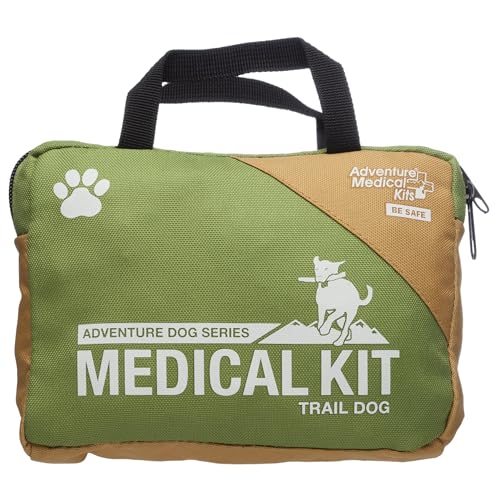
| Adventure Medical Trail Dog | $20.99 | Base kit | Organized dressings, bandages, tick remover, and a dog-specific manual |
| ARCA PET Kit | $19.95 | Budget base | Lighter, cheaper pouch with the essentials for short outings |
| Kwik Stop Styptic Powder | $10.99 | Optional supply | Include only if your veterinarian recommends it for your dog |
| WePet Vet Wrap | $8.75 | Dressing supply | Can secure a protective dressing when used carefully |
| Sulfodene Ointment | $10.46 | Optional supply | Use only with prior veterinary direction |
How to Build a Trail First-Aid Kit
The mistake is buying a pre-made kit and assuming you are done. Most pre-made kits are excellent at structure and tools and thin on the high-use consumables. So the plan is two steps: pick a base, then add the three things you will actually reach for.
Start With a Base Kit
A pre-made kit buys you an organized pouch with the dressings, bandages, and tools already sorted. That organization is worth real money on trail, when you are kneeling over an anxious dog and do not want to dig through a loose bag. It also usually includes a tick remover and a dog-specific instruction card, which matter if you are newer to canine first aid.
What the base will not have in useful quantity is the stuff that runs out first. That is the second step.
Add Practical First-Aid Supplies
First aid is temporary care while you arrange veterinary help. The AVMA’s pet first-aid guide recommends clean cloth or nonstick dressing material for bleeding and wound protection, saline for cleansing wounds or flushing eyes, and supplies such as gloves, blunt scissors, and a flashlight.
- Clean cloth or gauze and nonstick dressings. For bleeding, apply firm pressure directly over the site and avoid lifting the material to check too soon. If blood soaks through, add clean layers rather than removing the first one.
- Saline. Pack saline for cleansing a wound or flushing an eye, then protect the area and contact a veterinarian for next steps.
- Self-adhering wrap. Use it cautiously to secure a protective dressing during transport. A wrap that is too tight can compromise blood flow and nerves; Merck notes that this can cause tissue death and, in severe cases, loss of a limb. If you are uncertain how to bandage an injury, protect it as best you can and let the veterinarian handle it.
Do not give Benadryl or another over-the-counter medicine, or use a topical medication, unless your veterinarian has previously directed its use for your dog. VCA’s OTC-medicine guidance notes that products can have unsafe ingredients, interactions, and dog-specific dosing concerns.
Add Your Own Items
Round it out with a few things no kit packs well: a small bottle of saline, a clean cloth or extra gauze, blunt-tip scissors, and a copy of your vet’s number and the nearest emergency clinic. Keep the whole thing in your pack, not the car.
1. Adventure Medical Kits Trail Dog Medical Kit | Best Overall
This is the base kit to build around. Adventure Medical Kits has been making backcountry first-aid for people for decades, and the Trail Dog applies that same organized, labeled approach to a dog kit. You get sorted dressings and bandages, a splinter picker and tick remover, a triangular bandage, cohesive elastic bandage, and a dog-specific instruction manual, all in a compact, lightweight pouch that disappears in a daypack at well under a pound.
The value is the structure. When something goes wrong on trail, you do not want to be improvising out of a loose bag. Everything here has a place, and the manual is genuinely useful if canine first aid is new to you. The tick remover alone earns its spot in any region with ticks.
The honest gap is the same one every pre-made kit has: consumables are usually included in starter quantities. Treat this as the chassis, then add fresh saline, clean dressing material, and any supplies your veterinarian recommends for your dog.
Pros:
- Organized, labeled dressings and bandages in a compact pouch
- Includes a tick remover and dog-specific instruction manual
- Lightweight at well under a pound
- Trusted backcountry first-aid brand
Cons:
- Consumables included in starter, not trail, quantities
- Review and supplement supplies with your veterinarian
- Pricier than a bare-bones budget pouch
Best for: hikers who want an organized base to build a kit around. Skip if: you only want the cheapest possible starter pouch.
2. ARCA PET Dog First Aid Kit | Best Budget
For short outings or a second kit in the car, the ARCA PET pouch covers the basics for less. It is a water-resistant, high-visibility reflective pouch with around 35 emergency essentials packed in, sized and weighted for hiking, backpacking, and general outdoor use at well under a pound. If you are assembling your first kit and do not want to spend much to find out what you actually use, this is a reasonable entry point.
The reflective pouch is a small but real touch. In low light at a dusk trailhead or a dim tent, a bright, findable bag beats a black one you fumble for. And the basics inside cover the common minor stuff: small cuts, scrapes, and the dressings to manage them.
The trade for the lower price is depth and tool quality. The contents lean toward quantity of small items over more capable tools and the clear organization of a premium kit. As with any pre-made kit, check the contents before each trip and add fresh dressing supplies and veterinary contact information.
Pros:
- Lower price than premium pre-made kits
- Water-resistant, high-visibility reflective pouch
- Around 35 essentials for common minor injuries
- Light and compact for day hikes
Cons:
- Lighter on capable tools than a premium kit
- Consumables in starter quantities
- Organization is simpler than a labeled premium kit
- Best as a starter or backup, not a sole backcountry kit
Best for: budget buyers, day hikers, and a backup kit for the car. Skip if: you want premium tools and a dog-specific manual.
3. Miracle Care Kwik Stop Styptic Powder | Most-Overlooked Add-On
This is an optional supply, not a trail treatment plan. If your veterinarian has recommended this product for your dog, keep it with the rest of the kit and follow that direction. For active bleeding, use clean cloth or gauze for firm direct pressure and seek veterinary care when bleeding is severe, continues, or the injury is painful.
The product card is here as a supply option for a veterinarian-directed kit. It does not replace an individualized plan for medications or wound care.
Pros:
- Compact optional supply
- May fit a veterinarian-directed first-aid plan
- Easy to store with other kit supplies
Cons:
- Not a substitute for direct pressure or veterinary care
- Not appropriate to use without veterinary direction
- A single-purpose item, not a whole solution
Best for: hikers whose veterinarian has recommended it for their dog’s kit. Skip if: it is not part of your veterinarian-directed plan.
4. WePet Self-Adhesive Vet Wrap | Add-On
Cohesive wrap is a dressing supply, not a substitute for bandaging skill. It sticks to itself rather than fur or skin, but a wrap that is too tight can compromise nerves and blood flow. Use it only to gently secure a protective dressing during transport, and seek veterinary help if you are unsure how to apply a bandage.
This multi-pack is a practical way to keep spare dressing supplies at home and in the kit. Replace any roll that becomes wet or dirty.
The value is availability, not a medical outcome. Keep enough clean material to protect a wound while you arrange care, rather than relying on a single roll.
Pros:
- Sticks to itself, not fur, so removal does not pull hair
- Multi-pack means you actually have enough
- Inexpensive consumable
Cons:
- A generic consumable, not a specialty tool
- One roll goes faster than expected
- A tight wrap can cause neurovascular injury and tissue damage
- Loses grip once thoroughly soaked
Best for: any kit that needs to hold a dressing on a paw or leg. Skip if: you already keep plenty of cohesive wrap on hand.
5. Sulfodene Dog Wound Care Ointment | Add-On
This topical product is an optional supply, not a default response to a trail wound. The right product depends on the wound and the dog, so include it only if your veterinarian has directed its use. For a wound on trail, start with saline flushing when appropriate, protect it with clean dressing material, and contact a veterinarian for next steps.
Do not substitute a product card for a wound-care plan. A deep puncture, heavy bleeding, or a wound near a joint or the eye needs prompt veterinary care.
Pros:
- Optional supply for a veterinarian-directed kit
- Compact addition to store with dressing supplies
Cons:
- Not appropriate to use without veterinary direction
- Not a substitute for veterinary care
- Another item to add, not usually in the base kit
Best for: a veterinarian-directed kit that calls for this product. Skip if: it is not part of your veterinarian-directed plan.
Build It Once, Restock It Often
A first-aid kit is only as good as the day you last checked it. Buy a base, add fresh saline and clean dressing material, and then actually open it twice a year to restock what you used and toss what expired. Paws take the most abuse on trail, so pair the kit with good paw-care habits and a wax barrier, and make first aid one line on a complete trail gear list rather than an afterthought.
For an overview of a wax barrier and its limits, see the Musher’s Secret paw wax review. A hiking harness with a solid handle may also help you steady a dog during an assessment.
Frequently Asked Questions
- What should be in a dog first-aid kit for hiking?
- Pack clean cloths or gauze, nonstick dressings, self-adhering wrap, saline, blunt scissors, tweezers or a tick remover, and your veterinarian's and emergency clinic's contact information. The AVMA also recommends basic items such as gloves, a flashlight, and a spare leash. Ask your veterinarian about any pet-specific supplies or medications.
- Are pre-made dog first-aid kits worth it?
- Yes, as a base. A pre-made kit gives you an organized pouch with basic dressings, bandages, and tools. Check its contents before every trip and add the supplies your veterinarian recommends for your dog, plus fresh saline, clean dressing material, and current emergency contacts.
- Can I use human first-aid supplies on my dog?
- Some basic supplies cross over, including clean gauze, nonstick dressings, saline, blunt scissors, and tweezers. Medications and topical products need veterinary direction: over-the-counter products can have unsafe ingredients, interactions, or dog-specific dosing. Do not give a medicine or apply a topical treatment unless your veterinarian has told you it is appropriate for your dog.
- How do I stop a dog's nail from bleeding on the trail?
- Use a clean cloth or gauze to apply firm, direct pressure without repeatedly lifting it to check. If bleeding is severe or continues, add clean layers over the first one and seek veterinary care promptly. A torn nail can be painful and may need veterinary assessment even after bleeding slows.
- When should I turn around and get my dog to a vet?
- Stabilize on trail, then evaluate. Heavy bleeding you cannot control, a deep puncture, a limp that does not ease, signs of heatstroke, suspected snakebite, or any wound near a joint or the eye means end the hike and head for a vet. Your kit is for control and comfort to get safely off the mountain, not a substitute for care. If you notice swelling or discharge after the hike, see a vet promptly to head off infection.
Get the free Dog Hiking Trail Pack
A printable pre-hike checklist, trail feeding cheat-sheet, and paw + heat safety guide. Free, no spam.
About FidoHikes
Our hiking background includes 900 miles on the Appalachian Trail with our dog Toby. For the basis of a gear recommendation, check the article's experience notes and sources.
Related Articles
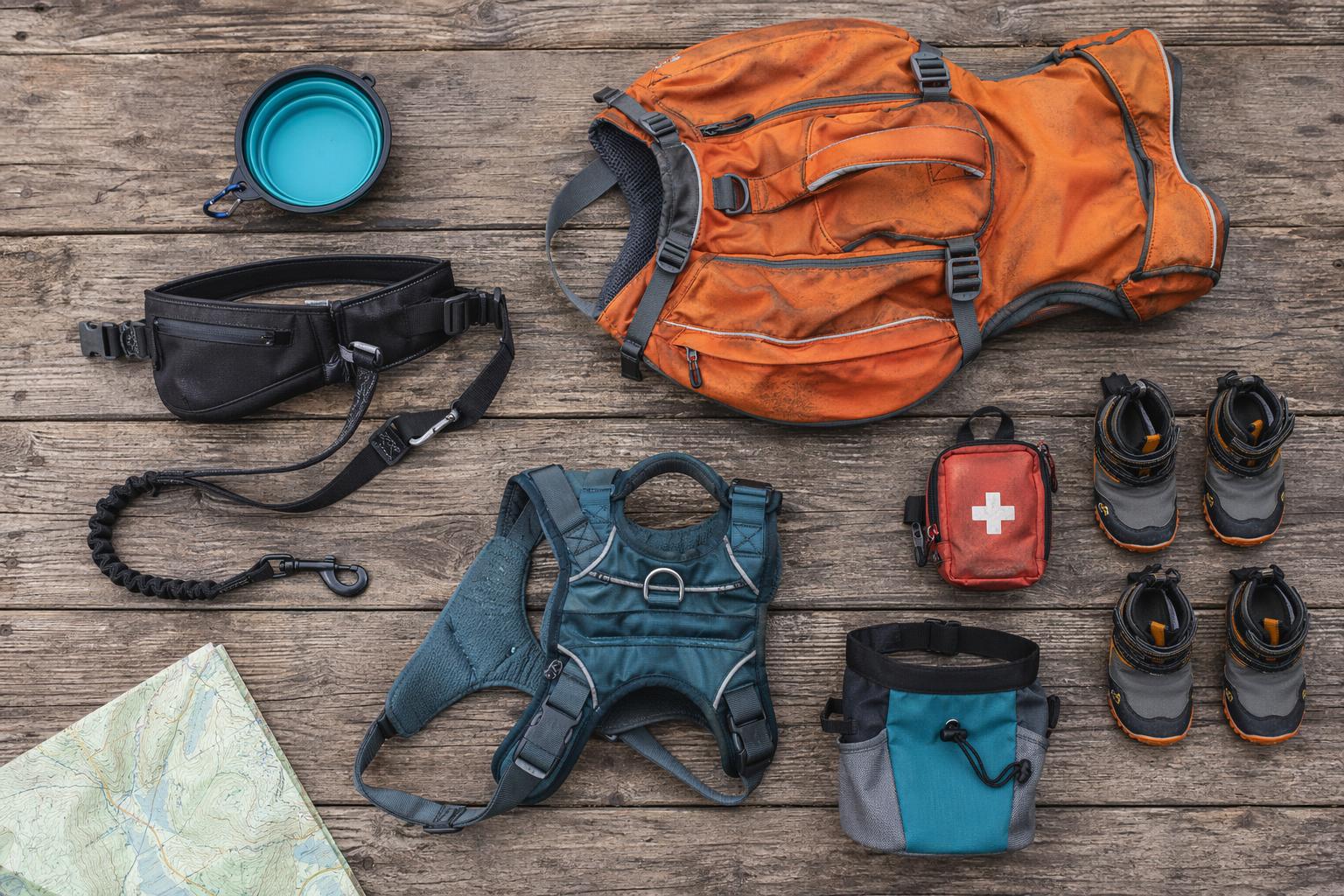
Dog Gear List for Thru-Hiking: Planning Guide
A practical dog gear list for thru-hiking, with route-aware food, water, sleep, paw-care, safety, and storage planning.
7 Dog Harnesses for Hiking: Features and Fit Compared
Compare seven hiking harnesses by published features, leash attachments, handle design and fit. Includes product photos, buying links and sizing guidance.
Musher's Secret Review (2026): Paw Wax Features and Limits
Compare Musher's Secret ingredients, label directions, terrain limits, and the situations where dog boots provide more protection.