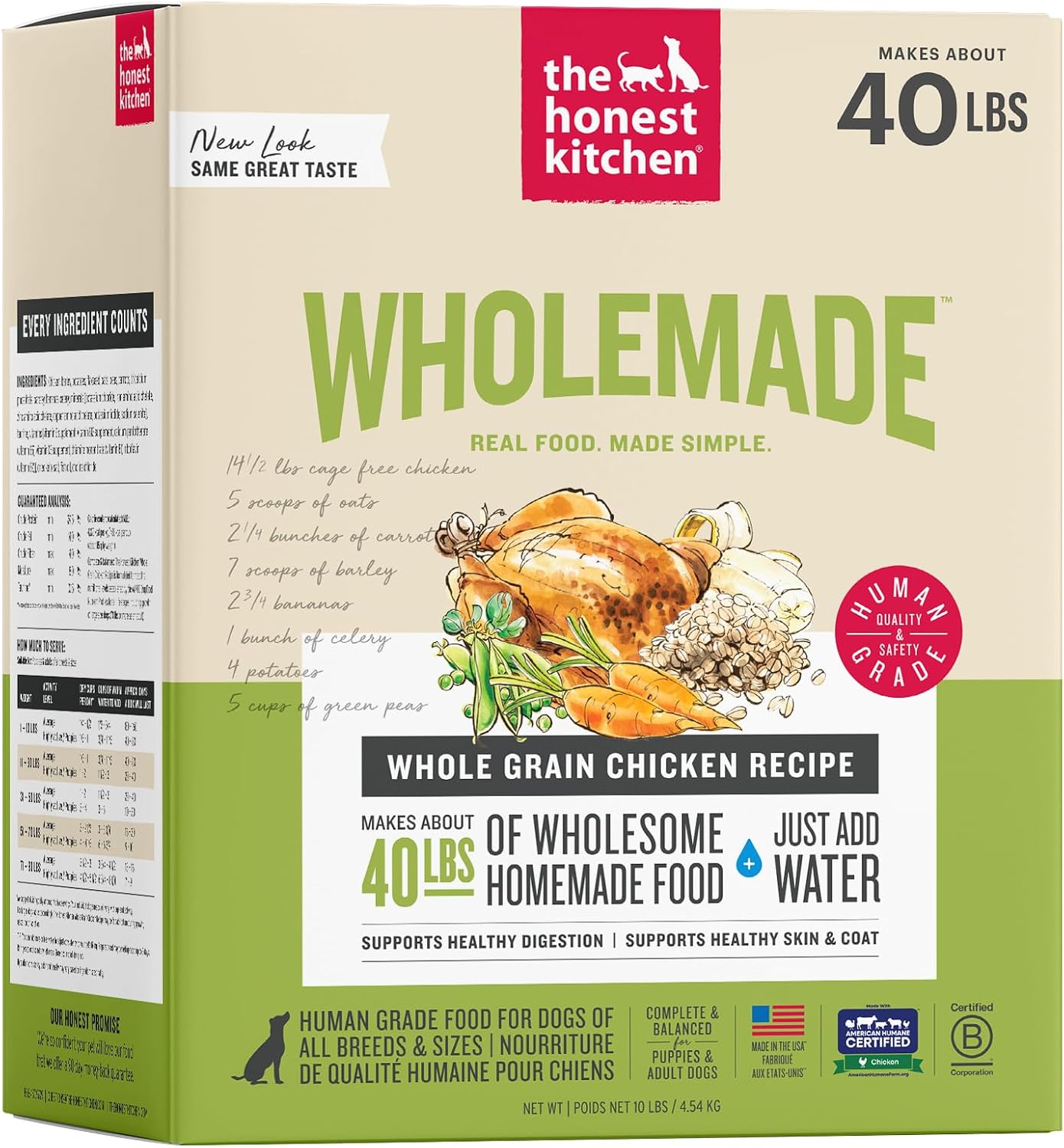

The starting pick for dehydrated trail meals is The Honest Kitchen Wholemade Whole Grain Chicken. Its published calorie information and preparation format make it a useful baseline for comparison. That does not make every recipe in this guide lighter than kibble.
The best dehydrated dog food for backpacking is one your dog eats comfortably, you can prepare on your route, and you can buy for each resupply. Here are the six options readers encounter, including freeze-dried alternatives and an update on EasyRaw.
| Food | Type | Main consideration |
|---|---|---|
| Honest Kitchen Whole Grain Chicken | Cooked, dehydrated | Our starting pick for meals rehydrated at camp |
| Honest Kitchen Grain Free Chicken | Cooked, dehydrated | Different recipe; check suitability and current label |
| Sojos Complete Turkey | Freeze-dried meat with air-dried produce | Allow time to soak; confirm current formula |
| Grandma Lucy's Pureformance Chicken | Freeze-dried | Compare carry weight and availability |
| Only Natural Pet EasyRaw | Retired range | Do not build a new resupply plan around it |
| Stella & Chewy's Chewy's Chicken Dinner Patties | Freeze-dried raw | Compare exact calorie density and handling needs |
Does Dehydrated Food Save Pack Weight?
Compare calories per ounce of dry food, not calories per cup. A cup is a volume measure. Two foods can have similar calories per cup while weighing different amounts. Kibble is already dry food; dehydration does not guarantee a lighter calorie supply.
The table below compares the same 1,000 calories. That is a calculation unit, not a daily feeding recommendation.
| Exact recipe | kcal/kg | kcal/oz | Dry grams per 1,000 kcal |
|---|---|---|---|
| Honest Kitchen Wholemade Whole Grain Chicken | About 4,280* | About 121* | About 234* |
| Grandma Lucy’s Pureformance Chicken | 3,815 | 108 | 262 |
| Stella & Chewy’s Chewy’s Chicken Dinner Patties | 4,420 | 125 | 226 |
| Purina Pro Plan Sport Performance 30/20 Chicken & Rice (kibble comparator) | 4,390 | 124 | 228 |
Sources checked September 19, 2026: Honest Kitchen, Grandma Lucy’s, Stella & Chewy’s, and Purina. Values are rounded.
*Honest Kitchen’s estimate uses its stated 485 kcal per dry cup and about four dry cups per pound. It is a derived estimate, not a directly quoted kcal/kg label value. Use the calorie statement on your current package when available. The other three kcal/kg values are published by the manufacturers; ounces and grams are calculated from those figures. Sojos and Grain Free Chicken are excluded from this mass comparison rather than assigned numbers from other recipes.
The practical result: these particular freeze-dried and kibble recipes are close in weight per calorie. A small difference can matter over a long carry, but it does not support a universal half-weight claim. Add the weight of bags, bowls and any meal water you must carry before choosing a food.
Same calories. Different carry weights.
Dry food needed for 1,000 calories. Shorter bars mean less dry weight.
- Stella & Chewy's Chicken Dinner PattiesFreeze-dried226 g
- Purina Pro Plan Sport 30/20 Chicken & RiceKibble228 g
- Honest Kitchen Whole Grain ChickenDehydrated≈ 234 g*
- Grandma Lucy's Pureformance ChickenFreeze-dried262 g
Food only. Add packaging and any preparation water you carry. 1,000 calories is a comparison unit, not a feeding recommendation.
*Honest Kitchen is an estimate from 485 kcal per dry cup and about four dry cups per pound. All weights are rounded. Manufacturer figures checked September 19, 2026.
Recipe sources: Stella & Chewy's, Purina, Honest Kitchen, Grandma Lucy's.
How to Choose: Three Decisions That Matter
Trip Length
Calculate the whole carry before buying a large bag. Multiply your planned daily dry-food weight by the days between confirmed resupply points. Include a buffer for delays. Use our hiking dog calorie calculator as a starting estimate, then adjust planning to your dog’s needs and the current food label.
Water Availability
Meal water is part of your water budget. Read the mixing directions for your exact recipe and portion. A food that can be served dry still requires access to drinking water. On a dry section, compare the combined weight of food and carried preparation water.
Protein and Sensitivity
Start with a food your dog tolerates at home. A matching protein name does not make two recipes interchangeable. Test any transition before the trip; if your dog has a medical diet or a diagnosed sensitivity, ask your vet before changing it.
1. The Honest Kitchen Wholemade Whole Grain Chicken | Our Dehydrated Trail Pick
This is our starting point for a rehydrated camp meal. The current manufacturer page lists 485 kcal per dry cup and says to add warm water and wait three minutes. It also explains that its dehydrated recipes are cooked before drying.
Pros:
- A meal you can prepare at camp from dry portions.
- Published dry-cup guidance helps with portion planning.
Cons:
- You need water and preparation time.
- Our weight estimate does not show a meaningful advantage over the sport kibble above.
For a closer look at the published recipe information, read the Honest Kitchen review. Check the recipe and bag size on the retailer listing before ordering.
2. The Honest Kitchen Wholemade Grain Free Chicken | A Different Recipe to Compare
Grain Free Chicken is not a higher-calorie version of Whole Grain Chicken. The current manufacturer page lists 446 kcal per dry cup and an adult life stage. Its serving instructions also say warm water and a three-minute wait.
Pros:
- An alternative recipe if it fits your dog’s established diet.
- Preparation is similar to the Whole Grain recipe.
Cons:
- The current recipe has fewer calories per dry cup than Whole Grain Chicken.
- Grain-free does not by itself establish suitability for a dog with dietary problems.
Buy the exact recipe your dog has tried, and check the current package rather than relying on an older calorie figure.
3. Sojos Complete Turkey | Allow Time to Soak
Check the current bag before comparing Sojos by weight or cost. Sojos describes Complete Turkey as freeze-dried meat with air-dried produce and instructs owners to soak it for 15 minutes. We have not included an older, unverified calorie figure in the weight table.
Pros:
- A different meat-and-produce format to consider.
- The manufacturer provides a clear soak time.
Cons:
- A 15-minute soak needs to fit your camp routine.
- Verify kcal/kg, mixing quantities and bag size for the current formula before planning resupply.
4. Grandma Lucy’s Pureformance Chicken | Freeze-Dried Alternative
Pureformance Chicken is freeze-dried, and its mass density does not make it the lightest option here. The manufacturer lists 3,815 kcal/kg and 492 kcal/cup. That works out to about 262 grams for the same 1,000 calories, compared with about 228 grams for the kibble comparator.
Pros:
- Published mass-based calories make carry-weight calculations possible.
- A chicken recipe to compare with your dog’s existing food.
Cons:
- More dry weight per calorie than the other recipes in the table.
- Availability varies by bag size and retailer; confirm the exact size before planning resupply.
Check the current product instructions and availability for the size you intend to buy.
5. Only Natural Pet EasyRaw | Retired, Not a New Resupply Pick
EasyRaw should no longer be treated as an active recommendation for a new trip plan. Only Natural Pet announced that production would end in early 2026. Its former EasyRaw product address now leads to a MaxBlends product.
Old EasyRaw calorie figures and mixing instructions should not be transferred to MaxBlends. Compare any replacement as a separate food and test it at home before your hike.
6. Stella & Chewy’s Chewy’s Chicken Dinner Patties | Freeze-Dried Raw Alternative
Use the exact Chicken Dinner Patties calorie statement, not a number for the whole brand. The manufacturer lists 4,420 kcal/kg and 60 kcal per patty. At about 226 grams per 1,000 calories, it is close to the sport kibble in this comparison.
Pros:
- Published kcal/kg and kcal per patty support portion calculations.
- The Dinner Patties guidance allows serving dry or adding water.
Cons:
- Raw food requires attention to handling and cleanup.
- A small dry-weight advantage does not tell you which food costs less.
The FDA warns that raw pet food can carry pathogens. Shelf stability should not be read as a guarantee of safety, particularly when handwashing and bowl cleaning are difficult on trail.
Resupply Math: Compare Cost for the Same Calories
Compare the food you receive in the bag, not its advertised rehydrated yield. Use the current checkout price and dry net weight of the exact size you are buying:
- Bag calories = dry kilograms × kcal/kg.
- Cost per 1,000 calories = bag price ÷ bag calories × 1,000.
- Trip food cost = total planned trip calories ÷ 1,000 × cost per 1,000 calories.
For a hypothetical food priced at $80 for 4 kg with 4,000 kcal/kg, the bag contains 16,000 calories. That is $5 per 1,000 calories. A trip allocation of 10,000 calories costs $50 in consumed food and weighs 2.5 kg dry. If you must buy a whole bag, the cash outlay is still $80. This example is arithmetic, not a current product quote or feeding target.
Add shipping, packaging and any unused food when comparing what the trip will actually cost. Confirm each resupply stop’s delivery arrangements before mailing supplies.
For the rest of the packing system, see our dog gear list for long-distance hiking.
The Verdict
Start with a food your dog tolerates and a carry plan you can support. Honest Kitchen is the dehydrated starting pick in this comparison because its published calorie information and preparation format are straightforward to evaluate, while the other recipes provide alternatives with different preparation and resupply needs. Buy it for the meal format and suitability for your dog, with clear eyes about cost and weight.
If your dog already does well on kibble, there is no need to switch just because you are backpacking. Compare its label with these options, or see our active-dog-food guide for the broader performance-food comparison.
Frequently Asked Questions
- What is the best dehydrated dog food for backpacking?
- Honest Kitchen Wholemade Whole Grain Chicken is the starting pick in this comparison based on its published calorie information and preparation format. Choose it if your dog tolerates the recipe and you can prepare meals with water. It is not automatically lighter than kibble. Compare the exact food's calories per unit weight, preparation and cost before buying.
- How much does dehydrated dog food weigh per day for a backpacking dog?
- Divide your dog's calorie target by the food's kcal per gram. For illustration, 1,000 calories from a food with 4,000 kcal/kg weighs 250 grams dry. Multiply by the number of days, then add packaging and any preparation water you need to carry. The 1,000-calorie example is a comparison unit, not a feeding recommendation.
- How much water does dehydrated dog food need on trail?
- Use the mixing directions for the exact recipe and portion. Do not use one universal water ratio or a fixed amount per dog. Count preparation water separately from drinking water, and plan where you will obtain both. The current Honest Kitchen instructions say to add warm water and wait three minutes.
- Is dehydrated better than freeze-dried dog food for backpacking?
- Neither process guarantees lower carry weight, better nutrition or lower cost. Compare the specific recipes using kcal/kg and cost per 1,000 calories. Preparation and your dog's tolerance matter too. Some freeze-dried recipes can be served dry, but that does not remove your dog's need for drinking water.
- Can I resupply dehydrated dog food in trail towns?
- Confirm the exact recipe, stock and delivery arrangements before relying on a town resupply. Pack enough for the distance between confirmed stops plus your chosen buffer. Only Natural Pet has retired EasyRaw, so it should not be the basis of a new long-distance resupply plan.
- Which food has the best calorie-to-weight ratio in this comparison?
- Of the exact mass-based figures compared here, Chewy's Chicken Dinner Patties lists 4,420 kcal/kg and the Pro Plan Sport kibble comparator lists 4,390 kcal/kg, a very small difference. Grandma Lucy's Pureformance Chicken lists 3,815 kcal/kg. Honest Kitchen's figure is an estimate from its published dry-cup conversion. These numbers do not establish a winner across all recipes or brands.
Get the free Dog Hiking Trail Pack
A printable pre-hike checklist, trail feeding cheat-sheet, and paw + heat safety guide. Free, no spam.
About FidoHikes
Our hiking background includes 900 miles on the Appalachian Trail with our dog Toby. For the basis of a gear recommendation, check the article's experience notes and sources.
Related Articles
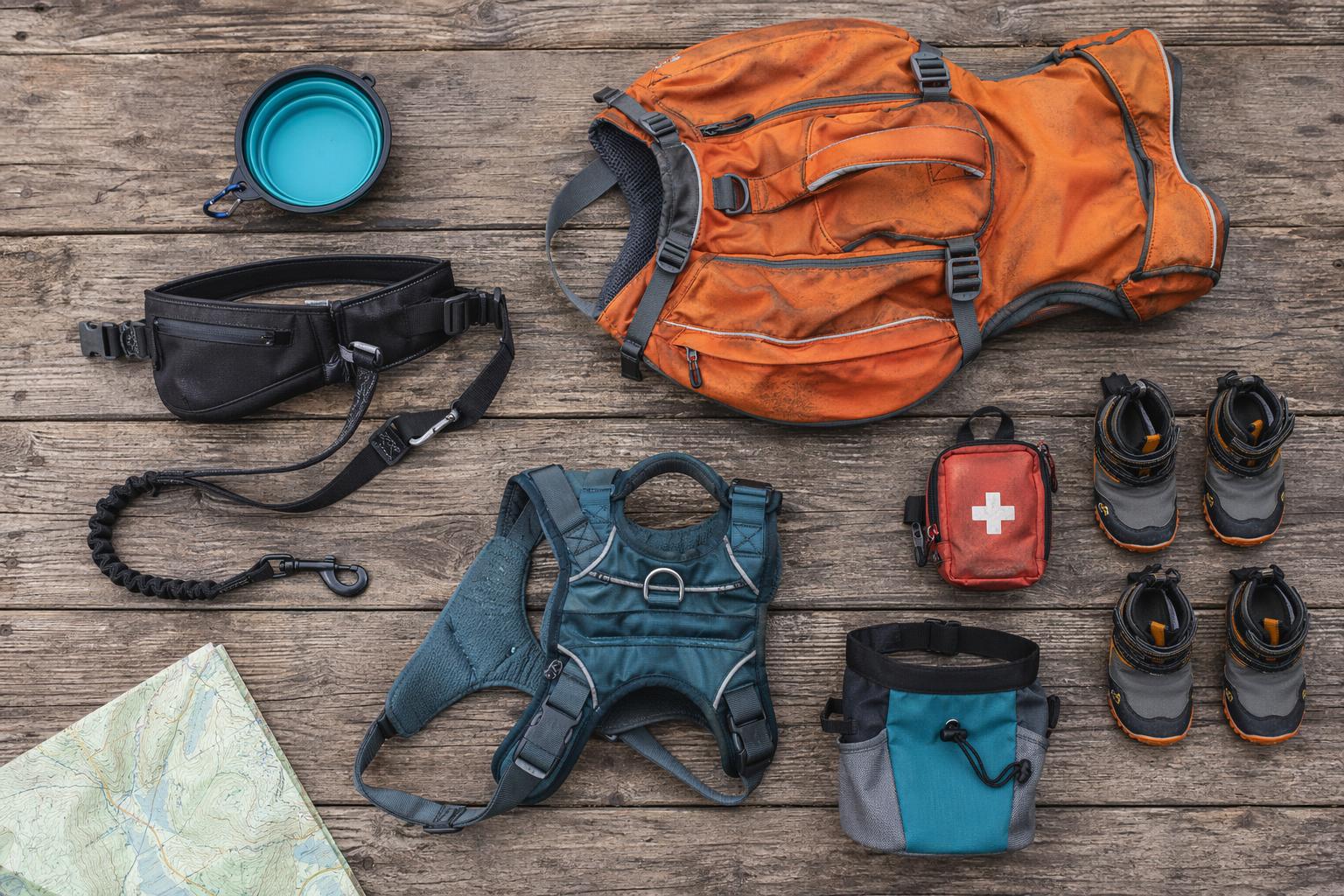
Dog Gear List for Thru-Hiking: Planning Guide
A practical dog gear list for thru-hiking, with route-aware food, water, sleep, paw-care, safety, and storage planning.
Dog Calorie Calculator: Daily and Trail Needs by Weight
Free dog calorie calculator plus a kcal-by-weight chart. Get daily calories, cups of food, and pack weight for rest days, day hikes, and backpacking.
Honest Kitchen Whole Grain Chicken Review (2026)
A researched look at the Whole Grain Chicken recipe, including ingredients, calories, package yield, preparation and trail-planning tradeoffs.
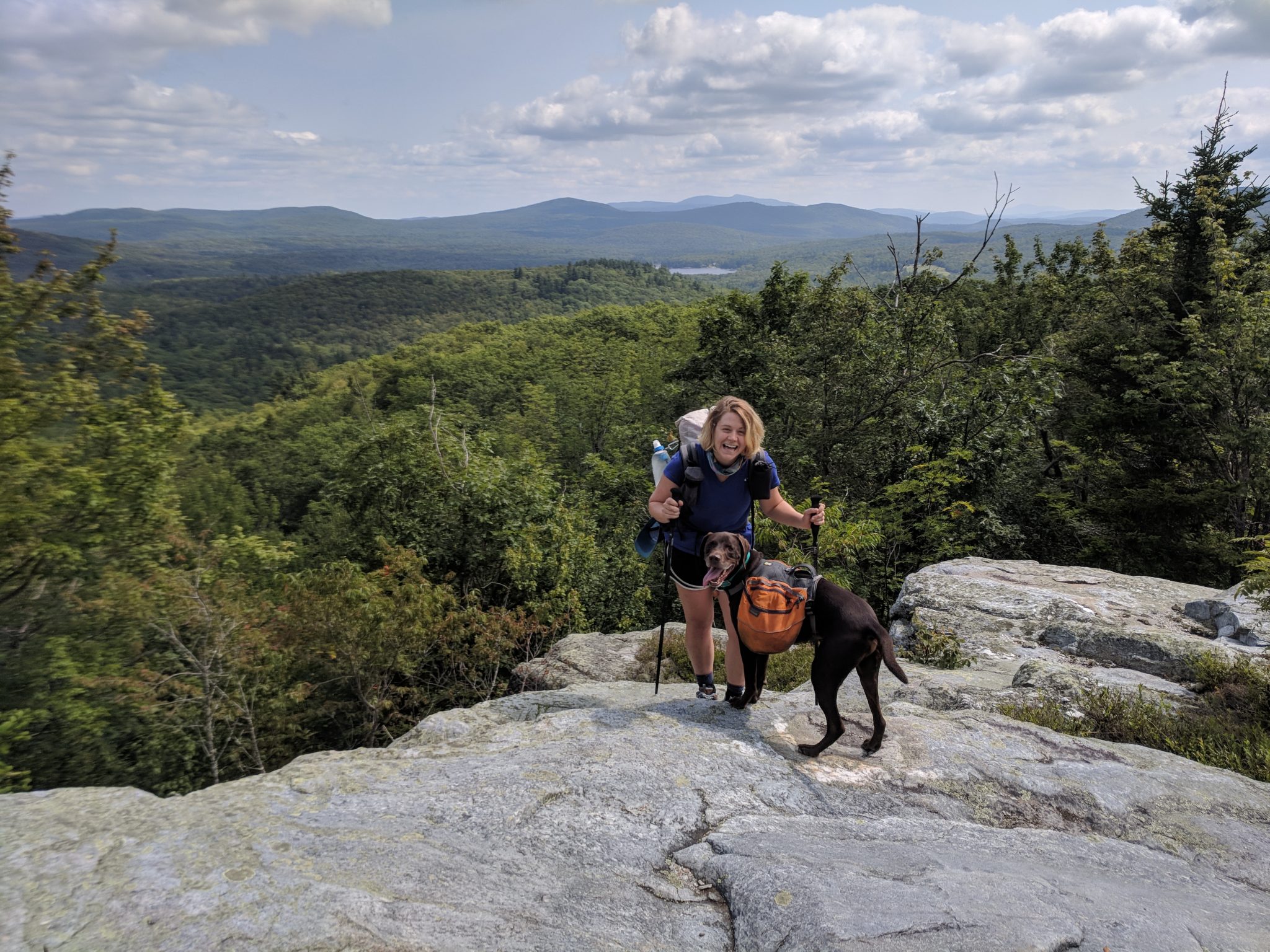
Thru Hiking with a Dog: AT Planning Guide
A planning guide for hiking long distances with a dog, covering preparation, regulations, budgets, and the decisions that put your dog's needs first.