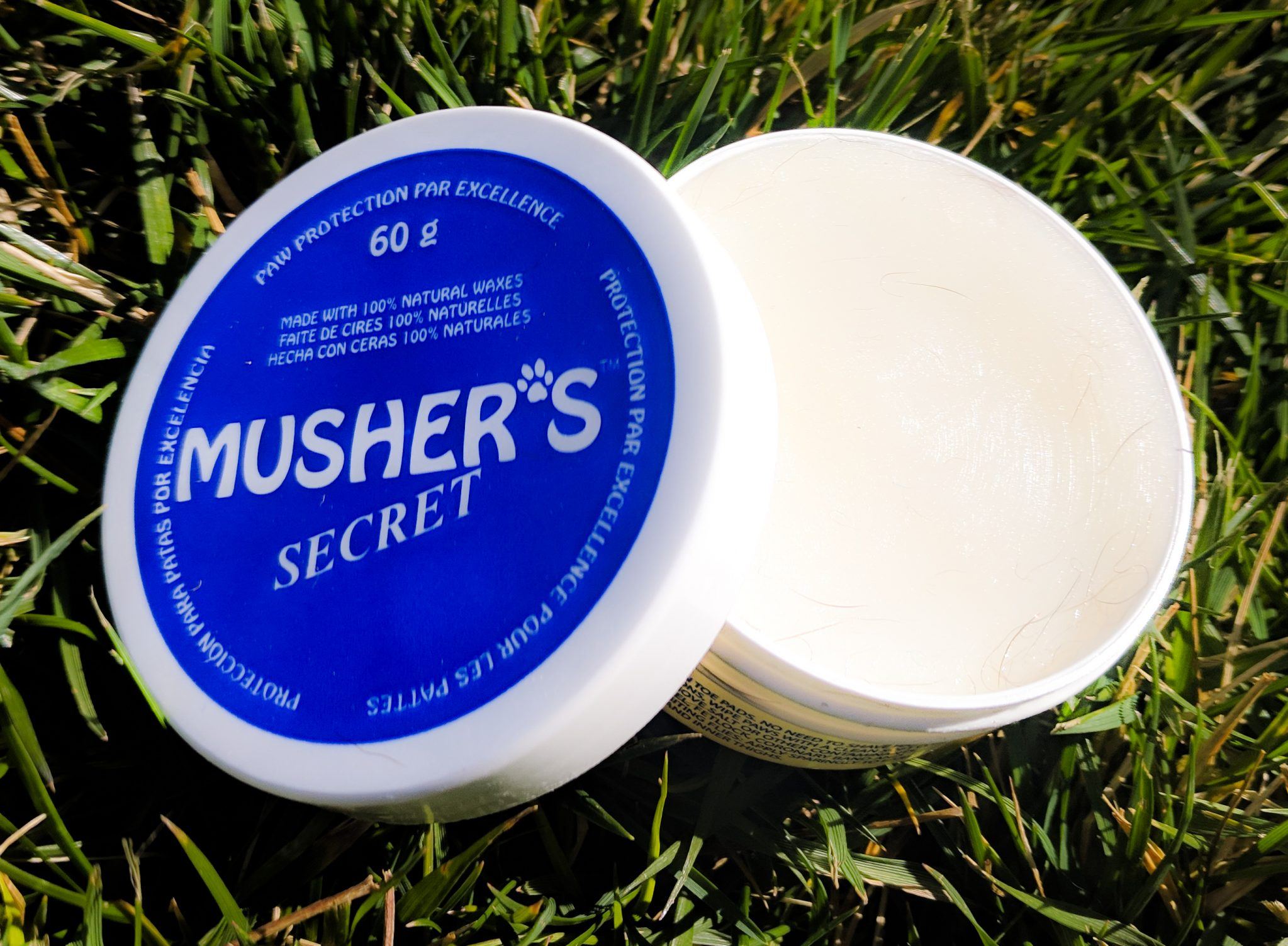
Musher’s Secret is a wax barrier for dog paw pads. It does not add traction on slick floors or ice, and it does not provide the puncture protection of a boot. Whether it fits a hike depends on the terrain, conditions and your dog’s paws.
Inspect your dog’s paws before, during and after a hike. Stop if you see cuts, cracks, bleeding, swelling or a change in gait, and contact a veterinarian when an injury needs treatment.
This review compares the product’s stated features with its practical limits and the physical coverage that boots provide.
What Musher’s Secret Actually Is
Musher’s Secret isn’t a moisturizer. It’s an engineered barrier. The formula combines four waxes (white beeswax, yellow beeswax, carnauba wax, candelilla wax) with two food-grade oils and vitamin E. Together they form a semi-permeable shield: sweat escapes through the toe gaps, while moisture, abrasives, and irritants stay out.
The product was originally developed for Canadian sled dogs running hundreds of miles across ice and snow. Every ingredient is food-grade and lick-safe. Worst case if your dog eats a significant amount: a mild laxative effect. Nothing toxic.
Sizing and cost are straightforward. The 60g jar runs about $13 and yields roughly 20 applications for a 40-50lb dog. The 200g jar at around $20 is the sweet spot for regular hikers. The 1lb tub at roughly $30 makes sense for multi-dog households or year-round daily use. Shelf life is indefinite.
How to Apply It
Follow the current package directions. Apply a thin, even layer and avoid assuming that more wax provides more protection.
- Warm a small amount between your fingertips until it softens.
- Apply a thin layer across paw pads, between toes, and over nail tips.
- Look for the “wet” appearance. White residue means too much.
- Wait 1-2 minutes before hard floors. The wax needs a moment to absorb.
- Recheck the current label before changing application frequency.
Check the paws during outings and after water, abrasive surfaces or chemical de-icers. The label and your veterinarian should guide application frequency for your dog.
Trail Performance by Terrain
Every trail surface challenges paw pads differently. A wax barrier does not turn every surface into safe terrain.
Rocky and Granite Trails
Wax does not stop cuts or punctures from sharp rock. Inspect pads frequently and use appropriately fitted boots when the terrain calls for physical coverage.
Desert and Hot Sand
Wax is not a heat shield. Avoid hot surfaces that can burn paws and move the dog to a safer surface when conditions are questionable.
Snow, Ice, and Salt
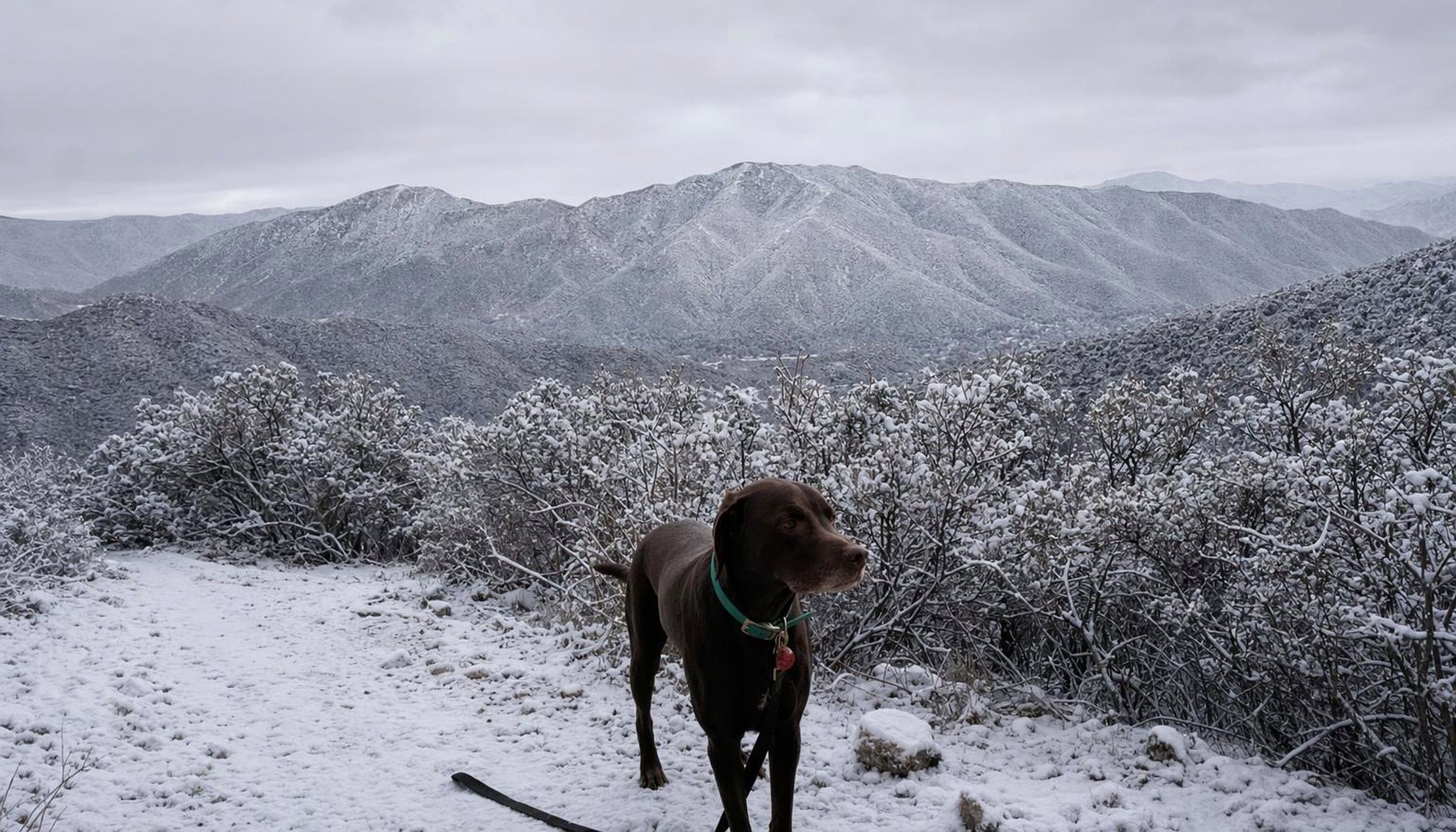
This is what Musher’s Secret was built for. The wax prevents ice from bonding to pad tissue, stops snowball buildup between toes, and blocks chemical de-icers from causing burns. Veterinarian Dr. Jessica Apted of Sploot Veterinary Care calls it a “long-time veterinary favorite,” and praises it as breathable, protective, and good for winter salt and hot pavement. A small number of users report limited salt protection in heavy urban de-icing conditions, so monitor on heavily salted sidewalks.
Water Crossings
The manufacturer describes Musher’s Secret as water resistant. Inspect paws after crossings and follow the package directions for reapplication.
Backpacking Protocol: Multi-Day Paw Care
Day hikes and multi-day trips both require regular paw checks. Build those checks into breaks and camp routines.
Before the trip. Check the paws for existing cracks, cuts or irritation. Follow the package directions and discuss recurring paw problems with a veterinarian before the trip.
At camp. Inspect pads for cracks, abrasions, tenderness or unusual warmth. Follow the current label when deciding whether to reapply.
After water crossings. Inspect the paws and follow the package directions rather than assuming the existing layer is intact.
How much to carry. Choose a jar size based on paw size, label-directed use and trip length. Do not rely on a universal number of applications per jar.
Musher’s Secret vs. Dog Boots
Wax and boots solve different problems. Fit and introduce boots before a trip if your route may require them.
When wax may fit. A wax barrier leaves the paw uncovered and may suit moderate surfaces where puncture protection is not needed.
When boots may fit. Sharp scree or volcanic rock where puncture risk is real, temperature extremes, or post-injury protection when a veterinarian recommends covering the paw. The dog boots roundup compares available options.
Boots carry real downsides: overheating in warm weather, hotspots from mis-sizing, reduced proprioception, and higher cost. PawZ disposable rubber boots run $15-20 for a 12-pack. Muttluks run $60-80 per set. Musher’s Secret covers months of protection for $20.
If your route includes sharp or unpredictable terrain, consider carrying properly fitted boots in your dog first-aid kit as backup.
Honest Limitations
Musher’s Secret has clear limits.
No traction improvement. It’s a barrier, not a grip surface. Wet rocks stay slippery. The wax preserves natural pad texture but doesn’t enhance it.
No puncture protection. Thorns, sharp rocks, broken glass go right through wax. Pack boots for lava rock or thorny underbrush.
Wax is not a heat shield. Check the ground surface, watch for paw lifting or reluctance, and choose a cooler time or route when the surface is hot.
Follow the current product directions. More product is not automatically better, and the application instructions can change.
Not a cure. If pads are already cracked or bleeding, see a vet. Applying wax to damaged pads traps bacteria.
Pros:
- All-natural, food-grade ingredients, lick-safe on trail
- Breathable barrier maintains natural traction and ground feel
- Water resistant through stream crossings
- Indefinite shelf life; ~$20 for months of use
Cons:
- No puncture protection against sharp scree or thorns
- No traction improvement on wet or icy surfaces
- Over-application softens natural pad callus
- Wax can soften in extreme heat (120F+ surfaces)
The Verdict
Musher’s Secret is a wax barrier, with the limits that format implies. It does not provide traction or puncture protection. Follow the current label, inspect paws during hikes, and use properly fitted boots when the terrain or a veterinarian’s advice calls for physical coverage.
Frequently Asked Questions
- How often should I apply Musher's Secret for hiking?
- Follow the current package directions and inspect your dog's paws during the hike. Terrain, weather, trip length and your dog's pads can change how often protection is needed. Do not replace the label with a universal hiking schedule.
- Is Musher's Secret safe if my dog licks it off on trail?
- Yes. Every ingredient is food-grade and non-toxic. The worst side effect from significant ingestion is a mild laxative response. Most dogs lick it once, dislike the waxy texture, and leave it alone. Apply right before a walk or meal to redirect attention while the wax absorbs.
- Does Musher's Secret wash off in water crossings?
- The manufacturer describes the wax as water resistant. Inspect paws after crossings and follow the current package directions rather than assuming one application lasts through every condition.
- Can Musher's Secret replace dog boots for hiking?
- Wax and boots provide different protection. Wax does not stop punctures or create a physical sole, so boots may be more appropriate for sharp terrain, temperature extremes or an injured paw when a veterinarian recommends coverage.
- Does Musher's Secret help with slipping on hardwood floors?
- No. The manufacturer says Musher's Secret does not provide traction on ice or other slippery surfaces. It is a barrier, not a grip aid.
- Does Musher's Secret expire?
- The manufacturer lists the shelf life as indefinite. Store it according to the current package directions and keep the container away from conditions that soften or contaminate the wax.
- Does Musher's Secret help with already cracked paws?
- Do not rely on paw wax as a substitute for veterinary care. If a pad is split, bleeding or infected, stop the hike and contact a veterinarian for treatment advice.
- How long does one jar of Musher's Secret last?
- That depends on jar size, paw size, the amount used and application frequency. Use the current label for application guidance rather than relying on a universal number of uses per jar.
Get the free Dog Hiking Trail Pack
A printable pre-hike checklist, trail feeding cheat-sheet, and paw + heat safety guide. Free, no spam.
About FidoHikes
Our hiking background includes 900 miles on the Appalachian Trail with our dog Toby. For the basis of a gear recommendation, check the article's experience notes and sources.
Related Articles
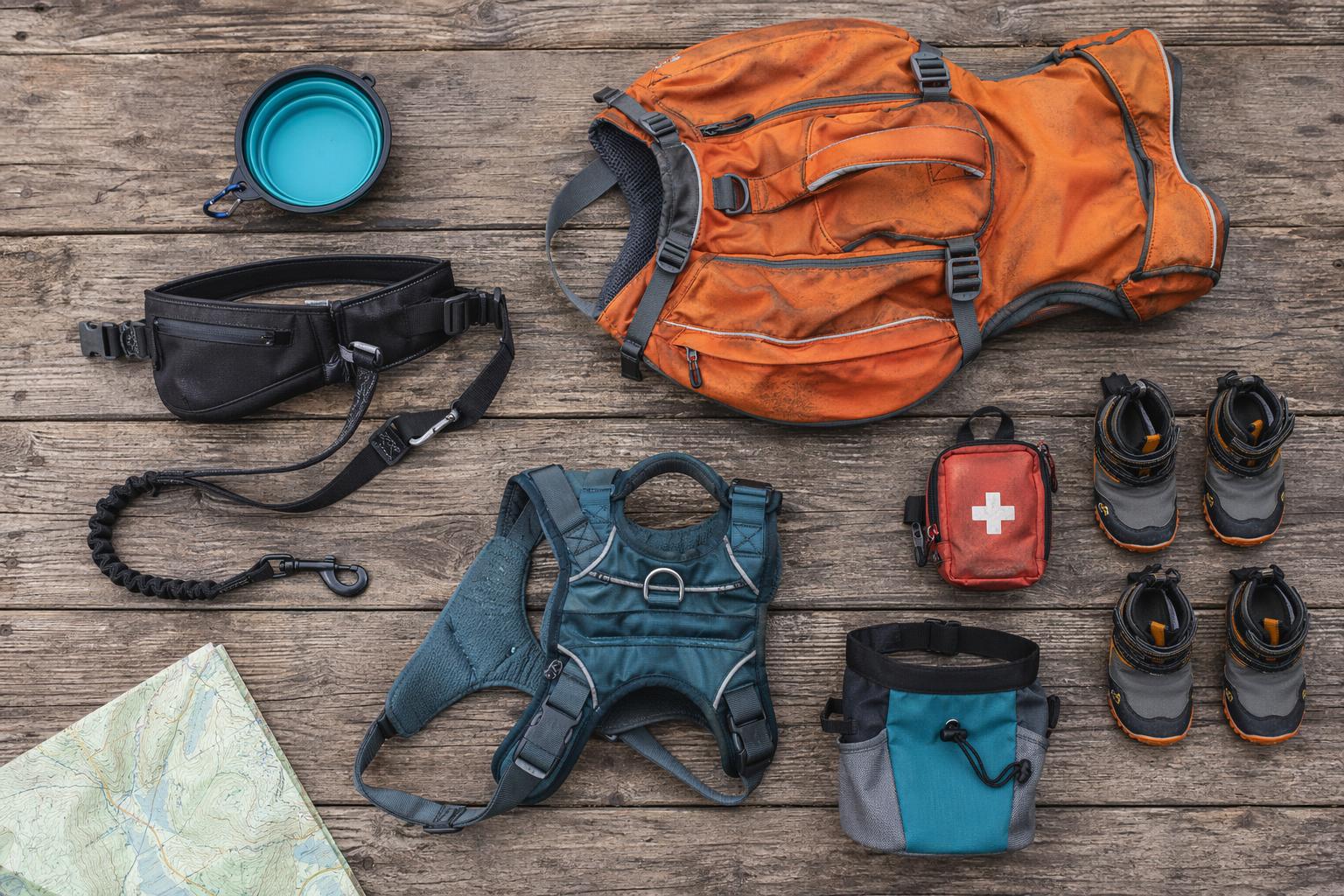
Dog Gear List for Thru-Hiking: Planning Guide
A practical dog gear list for thru-hiking, with route-aware food, water, sleep, paw-care, safety, and storage planning.
7 Best Dog Boots for Hiking (2026): Terrain and Fit Guide
Compare 7 dog boots by construction, terrain, fit, and price. Includes a hazard-by-hazard matrix, paw measuring guide, and tips for keeping boots secure.
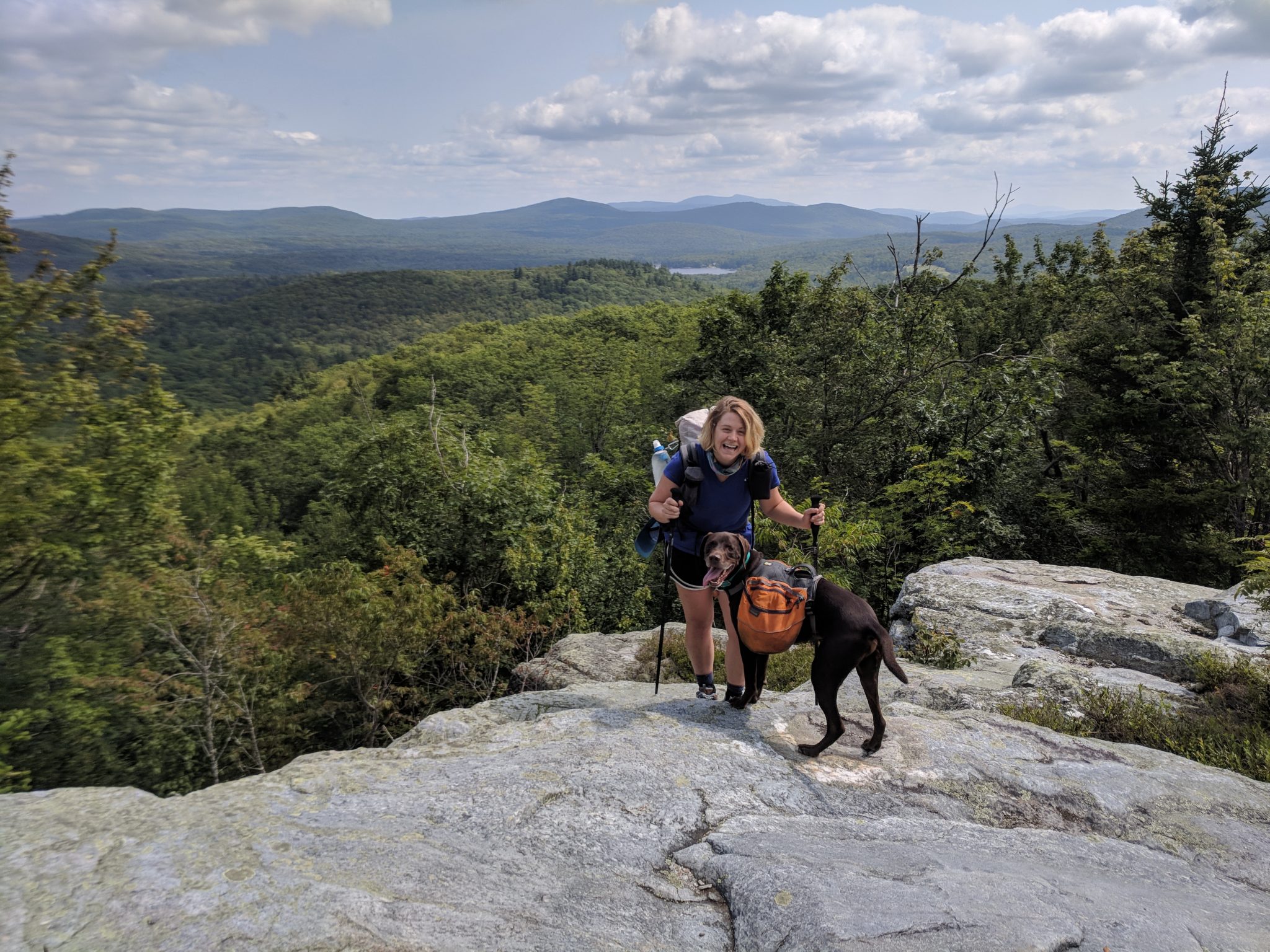
Thru Hiking with a Dog: AT Planning Guide
A planning guide for hiking long distances with a dog, covering preparation, regulations, budgets, and the decisions that put your dog's needs first.
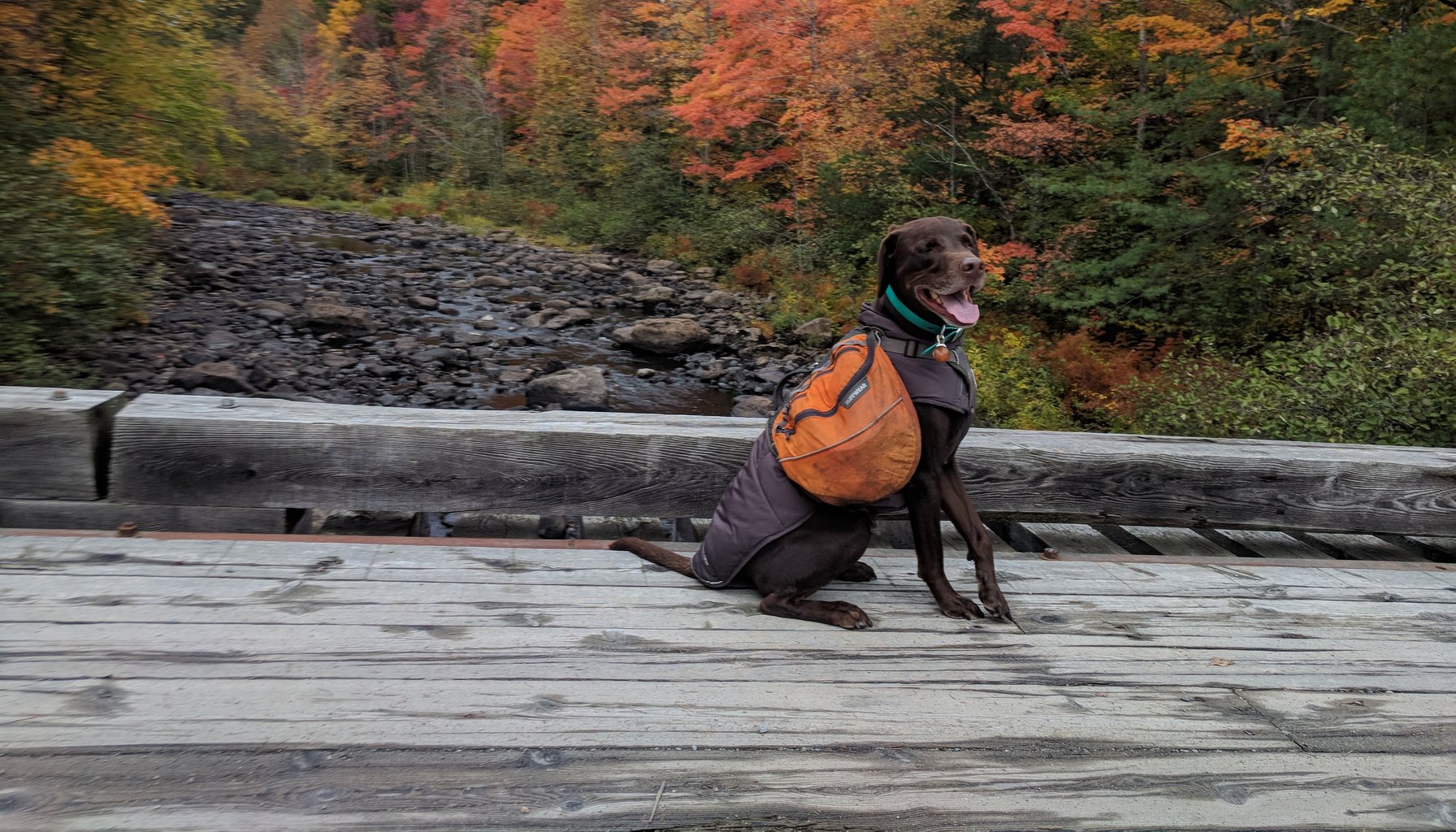
Best Dog Collar for Backpackers: 5 Waterproof Picks
Compare five dog collars for backpacking and hiking, including waterproof BioThane, reflective, engraved, and budget options.