The useful answer to dehydrated vs. freeze-dried dog food is on the label, not in the category name. Drying method alone does not tell you which food weighs less per calorie, needs less water overall, costs less, or is nutritionally right for your dog. For backpacking, compare the exact recipes by calories per kilogram, preparation directions, cost per 1,000 calories, and whether the food is cooked or raw.
That takes a little more work than choosing a category winner, but it prevents an expensive mistake. Start with the calories your dog needs, then use the framework below to turn that number into dry food weight and preparation water. Our dog hiking calorie calculator can help with the first step.
Dehydrated vs. Freeze-Dried Dog Food: The Quick Answer
Neither format is automatically lighter, cheaper, or easier on trail. Formula-level specifications can overturn every one of those assumptions.
Here is the comparison that holds up across products:
| Decision factor | What to compare |
|---|---|
| Pack weight | kcal/kg or dry ounces per 1,000 kcal |
| Camp water | Label-directed preparation water plus drinking water |
| Preparation | Whether the label requires or recommends rehydration, plus wait time |
| Trip cost | Current price per 1,000 kcal |
| Food handling | Whether the exact recipe is cooked or raw |
| Fit for your dog | Complete-meal statement, life stage, tolerance, and veterinarian guidance |
Choose the formula that meets your dog’s needs and fits your route. Treat “dehydrated” and “freeze-dried” as descriptions of processing, not performance rankings.
The product numbers below come from current manufacturer specifications. Use them to compare calories carried and preparation water for the exact recipes rather than treating either drying method as a performance ranking.
Drying Method Does Not Rank Nutrition
Processing method is one product detail, not a nutrition score. The unsupported shortcut is that dehydrated food loses a fixed percentage of nutrients while freeze-dried food preserves nearly all of them. The product sources checked here do not support those category-wide percentages, and recipes also differ in ingredients, formulation, cooking, and supplementation.
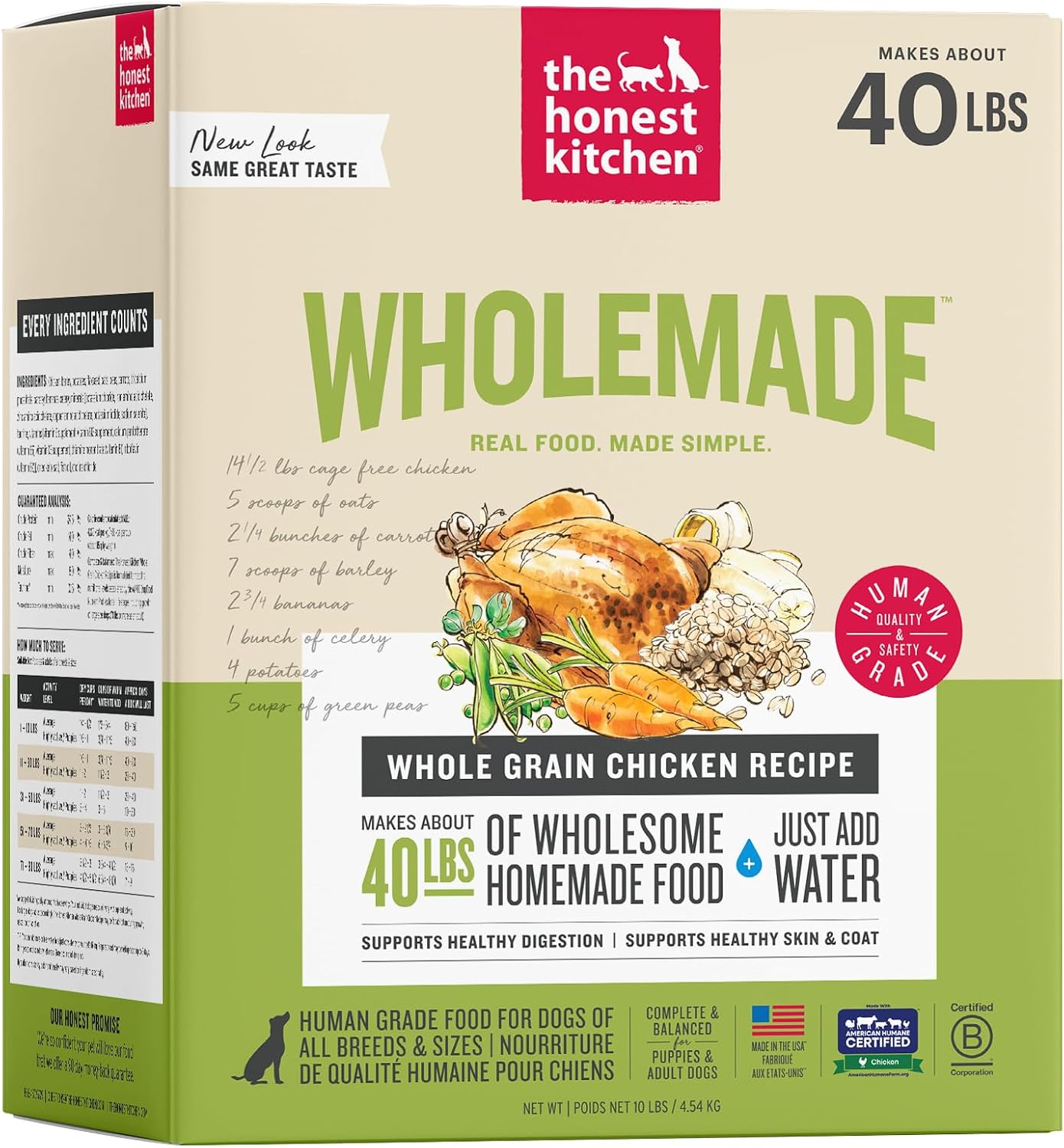
The distinction between cooked and raw matters more for handling. The Honest Kitchen says its dehydrated Whole Grain Chicken proteins are cooked to at least 165°F before dehydration. Stella & Chewy’s describes its freeze-dried Chicken Dinner Patties as raw.
Read the exact package rather than assuming all dehydrated food is cooked or all freeze-dried food has the same handling requirements. Also check whether the recipe is labeled as a complete meal or only a topper. Those details affect the feeding plan more than an unverified nutrient-retention percentage.
Pack Weight: Compare Calories per Kilogram
Calories per cup measure volume, while your backpack carries mass. Use kcal/kg when it is published. If a brand gives calories per cup and cups per package, you can calculate kcal/kg from those figures.
This formula comparison shows why there is no dependable weight winner by format:
| Example formula | Format | Manufacturer energy figure | Dry weight per 1,000 kcal |
|---|---|---|---|
| The Honest Kitchen Whole Grain Chicken | Dehydrated | About 4,280 kcal/kg* | About 8.2 oz |
| Stella & Chewy’s Chicken Dinner Patties | Freeze-dried | 4,420 kcal/kg | 7.98 oz |
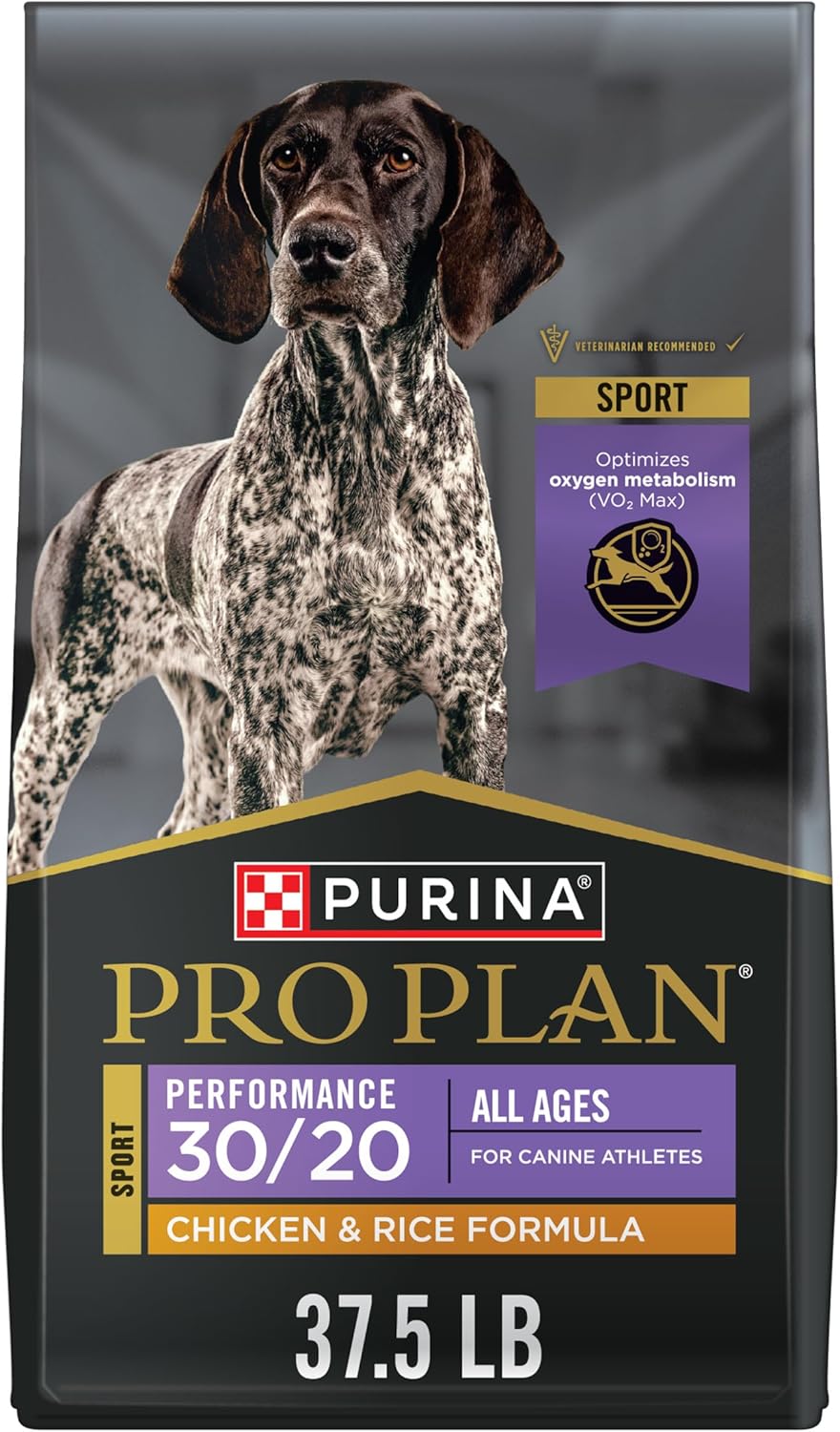
| Purina Pro Plan Performance 30/20 Chicken & Rice | Kibble | 4,390 kcal/kg | 8.04 oz |
*The Honest Kitchen publishes 485 kcal per dry cup and says its 10-pound box contains about 40 dry cups. That yields about 19,400 calories per box, or about 4,280 kcal/kg.
In this example, the dehydrated formula is about 3 percent heavier per 1,000 calories than the freeze-dried formula. The performance kibble sits between them. That is a much smaller and more useful difference than saying dehydrated food weighs half as much as kibble.
Same calories. Different carry weights.
Dry food needed for 1,000 calories. Shorter bars mean less dry weight.
- Stella & Chewy's Chicken Dinner PattiesFreeze-dried226 g
- Purina Pro Plan Sport 30/20 Chicken & RiceKibble228 g
- Honest Kitchen Whole Grain ChickenDehydrated≈ 234 g*
Food only. Add packaging and any preparation water you carry. 1,000 calories is a comparison unit, not a feeding recommendation.
*Honest Kitchen is an estimate from 485 kcal per dry cup and about four dry cups per pound. All weights are rounded. Manufacturer figures checked September 19, 2026.
Recipe sources: Stella & Chewy's, Purina, Honest Kitchen.
To compare any two foods, use:
dry ounces per day = (daily calories ÷ kcal/kg) × 35.274
Run that calculation for your dog’s daily calorie target and multiply by the days between resupplies. Then add packaging weight and a reasonable food buffer for your route.
Preparation Water Is Formula-Specific
Feeding a dry food without rehydrating it does not erase your dog’s need for water. It only moves that water from the bowl to what your dog must drink separately.
Preparation directions vary by formula. The Honest Kitchen directs you to add warm water and wait three minutes. Primal recommends one tablespoon of liquid per freeze-dried Chicken Recipe nugget, although the company also says the nuggets can be fed dry. Those are two product instructions, not rules for their entire categories.
For a dry section, calculate water in this order:
- Estimate your dog’s drinking water for the route and conditions.
- Add the preparation water specified for the number of daily servings.
- Test the meal at home and confirm your dog will both eat it and drink reliably.
- Carry enough water for the full team between confirmed sources.
A feed-dry option can simplify camp preparation. It should not be treated as a way to reduce the total water available to your dog.
Cost: Compare Price per 1,000 Calories
Bag price is as misleading as calories per cup when package sizes differ. A fair cost comparison uses the calories in the package.
Use this calculation with current prices:
cost per 1,000 kcal = package price ÷ total package calories × 1,000
For example, The Honest Kitchen’s published figures yield about 19,400 calories in a 10-pound box. Stella & Chewy’s lists 4,420 kcal/kg, so its 25-ounce Chicken Dinner Patties bag contains about 3,130 calories. Divide each current package price by those totals before comparing them.
Do not extend that result to every dehydrated or freeze-dried food. Recipe, package size, retailer, and sale price can all change the answer. Our dehydrated dog food guide covers specific options if you want to narrow the field before doing the math.
Raw Food Handling Still Applies on Trail
Shelf-stable packaging is not a guarantee that a raw product is free of pathogens. The FDA found raw pet food was more likely than the other pet foods it tested to contain disease-causing bacteria.
If the exact freeze-dried or dehydrated product is labeled raw, wash your hands after handling it and clean the bowl and utensils that touched it. Keep the food separate from your own meals, seal leftovers, and follow the manufacturer’s storage directions. That can take more planning at a dry campsite where wash water is limited.
This does not make every cooked formula the right choice or every raw formula the wrong one. It is one more trip constraint to discuss with your veterinarian and account for before leaving home.
Resupply Without Guessing
A reliable resupply starts with weighed portions, not scoop estimates. After you have a daily calorie target, use the formula’s kcal/kg figure to weigh each day’s dry ration on a kitchen scale.
Label portions by day, protect them from moisture, and keep the product name, lot information, preparation directions, and feeding statement available. If you repackage the food, photograph that part of the original package before the trip. Recheck your arithmetic whenever you change recipes because equal scoops or equal bag weights can contain different calories.
Introduce the food before the trip. Stella & Chewy’s recommends a gradual 7-to-10-day transition for its Chicken Dinner Patties, and Purina gives the same range for the performance kibble in the table. Follow the directions for the exact product you buy and give yourself time to see how your dog responds.
Which Dog Food Should You Pack?
Choose from the label outward. This order keeps the decision tied to your dog and the route:
- Confirm the formula is appropriate for your dog’s life stage and intended use with your veterinarian.
- Test the food and any transition at home.
- Calculate dry ounces per day from kcal/kg.
- Add label-directed preparation water to your route water plan.
- Compare current cost per 1,000 calories.
- Account for raw-food handling if the recipe is raw.
The Honest Kitchen is one practical dehydrated option, but its value depends on your dog’s calorie needs, your route, and the current price. Its Whole Grain Chicken recipe calls for warm water and a three-minute wait, and its published package figures make the carry weight easy to calculate. See the Honest Kitchen review for a closer comparison of the recipe’s published information.
Frequently Asked Questions
- Can I mix dehydrated and freeze-dried dog food?
- Yes, if both foods suit your dog and you account for the calories from each. Check whether each product is a complete meal or a topper, follow its label, and transition gradually at home. Mixing the formats does not create a predictable nutrition or weight advantage, so calculate the combined meal from the two formulas rather than the drying methods.
- Do I need to transition my dog before a backpacking trip?
- Yes. Follow the transition directions on the food you choose and complete the change before your trip. Stella & Chewy's directs owners to mix in its freeze-dried food gradually over 7 to 10 days. A trial at home also lets you confirm that your dog will eat the prepared texture and tolerate the formula before you are miles from the trailhead.
- Which is actually lighter, dehydrated or freeze-dried?
- Neither category is always lighter. Compare calories per kilogram or calculate dry ounces per 1,000 calories for the exact recipes. The formulas checked here are close: Honest Kitchen Whole Grain Chicken is about 4,280 kcal/kg by its published cup and package figures, Stella & Chewy's Chicken Patties is 4,420 kcal/kg, and Purina Pro Plan Performance kibble is 4,390 kcal/kg.
- Is freeze-dried worth the extra cost for backpacking?
- It depends on the exact formula and what you value. Freeze-dried may be worth considering if your dog accepts its texture and its preparation directions fit your camp routine. Compare current prices as cost per 1,000 calories, not price per bag. Package sizes and calorie totals differ too much for a category-wide price claim to be reliable.
- What about water-scarce trails?
- Plan from the label and your dog's total water needs. Feeding a food dry removes preparation water from the bowl, but it does not eliminate the water your dog needs. Add the recipe's preparation water to your route plan, confirm that your dog drinks reliably, and never ration your dog's drinking water to make a particular food format work.
- Is dehydrated or freeze-dried raw dog food safe for trail?
- The drying method alone does not answer that. Some dehydrated foods are cooked, while some freeze-dried foods are sold as raw. The FDA says raw pet food can carry disease-causing bacteria and recommends careful hand, bowl, utensil, and surface cleaning. Check the exact product label, follow its handling directions, and ask your veterinarian whether it fits your dog.
Get the free Dog Hiking Trail Pack
A printable pre-hike checklist, trail feeding cheat-sheet, and paw + heat safety guide. Free, no spam.
About FidoHikes
Our hiking background includes 900 miles on the Appalachian Trail with our dog Toby. For the basis of a gear recommendation, check the article's experience notes and sources.
Related Articles

Best Dehydrated Dog Food for Backpacking: 6 Options
Compare dehydrated and freeze-dried trail foods by preparation, calories per ounce and resupply needs, with clear limits on weight and cost claims.
Best Dog Food for Active Dogs (2026): 6 Athletic Formulas
Compare six high-protein performance formulas by calories, protein-to-fat ratio, and price per pound.
Dog Calorie Calculator: Daily and Trail Needs by Weight
Free dog calorie calculator plus a kcal-by-weight chart. Get daily calories, cups of food, and pack weight for rest days, day hikes, and backpacking.
Honest Kitchen Whole Grain Chicken Review (2026)
A researched look at the Whole Grain Chicken recipe, including ingredients, calories, package yield, preparation and trail-planning tradeoffs.