Figuring out what to feed your dog on a backpacking trip involves four decisions: how many calories, which type of food, how much to pack, and how to feed it safely on trail. The plan below gives you a framework for each one.
How Many Extra Calories Your Dog Burns on Trail
A backpacking dog’s energy needs can differ substantially from its home needs, but there is no universal trail multiplier. Start with RER and MER, then account for work and monitor the individual dog.
AAHA’s energy-requirement guide uses RER = 70 × body weight in kg^0.75, then multiplies RER by a life-stage or work factor. Its working-dog ranges are broad starting guidelines: 1.6-2.0 for light work, 2.0-5.0 for moderate work and 5.0-11.0 for heavy work. AAHA says to adjust intake by monitoring body weight and body condition.
Use our dog hiking calorie calculator for a starting estimate based on weight, hike type and terrain. Its trail modifiers are internal planning heuristics, not clinically validated multipliers or a prescription.
The Four Ways to Feed a Dog on a Multi-Day Trip
Your food type is a trade between weight, water, and your dog’s stomach. There are four realistic options, and most thru-hikers land on the last one.
| Option | Weight | Needs water? | Best for |
|---|---|---|---|
| Regular kibble | Varies by recipe | No | Short trips, town resupply |
| High-calorie performance kibble | Lighter per calorie | No | Dry routes, easy resupply |
| Dehydrated dog food | Light | Yes (cups/meal) | Long trips, water-rich routes |
| Mix: kibble base + dehydrated | Medium | Some | Most thru-hikes |
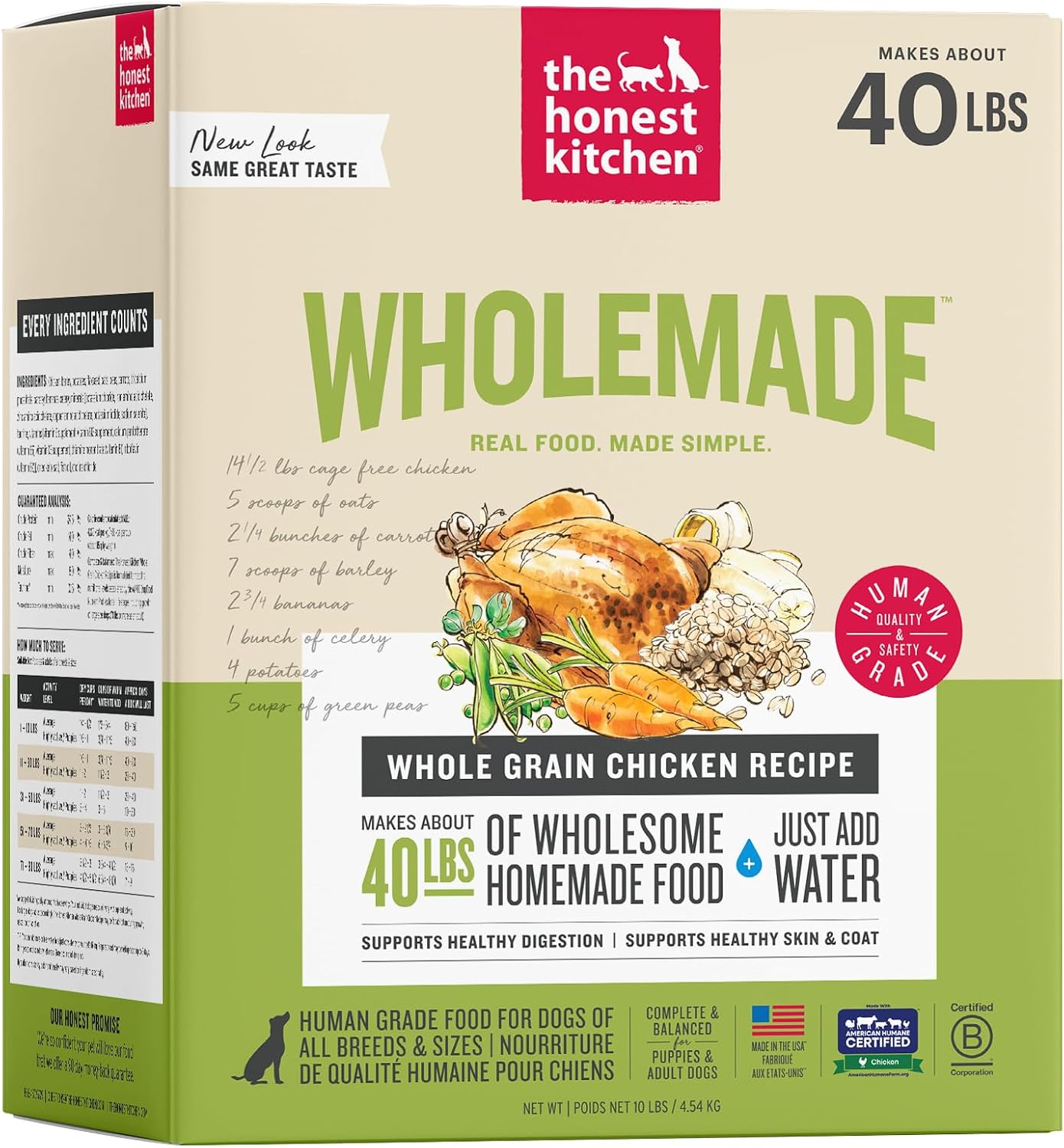
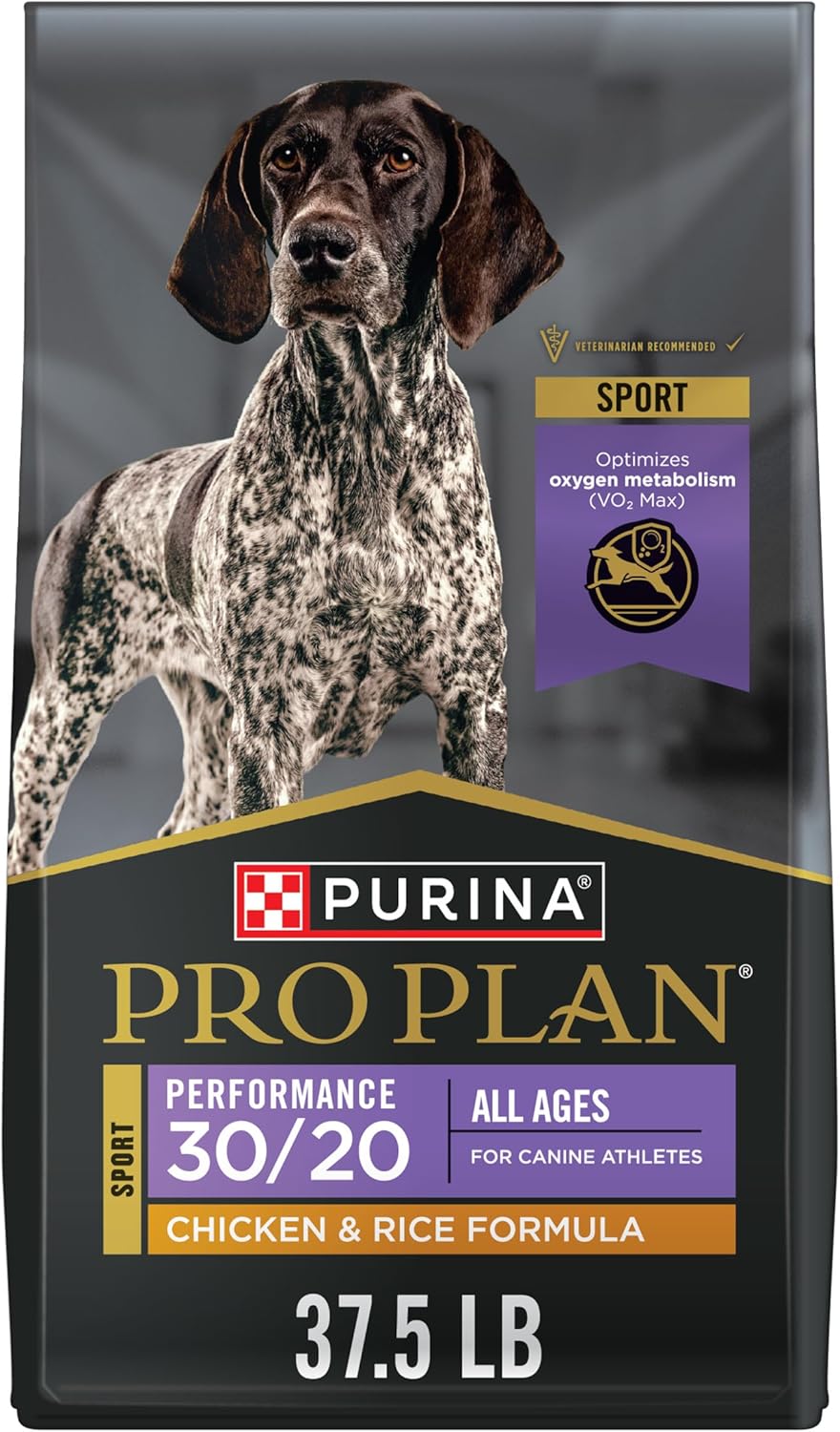
Plain kibble works but can be bulky. High-calorie performance formulas like Purina Pro Plan Sport pack more energy per cup with no water needed, which makes them strong for dry sections and town buying. Honest Kitchen Whole Grain Chicken is another option when its preparation requirements fit the route, but dehydrated food is not automatically half the carry weight of kibble. Compare the exact foods by calories per kilogram.
Calorie density is the lever that determines food weight. Honest Kitchen Whole Grain Chicken lists 485 calories per dry cup, but cups measure volume rather than mass. Its published package figures work out to about 4,280 kcal/kg. Compare that mass-based figure with the exact alternative before claiming a carry-weight saving. If you are weighing the two formats head to head, our dehydrated vs. freeze-dried dog food breakdown covers the cost and water math. For high-calorie picks specifically, see our best dog food for active dogs guide.
How Much Food to Pack (and What It Weighs)
Pack weight is the number that humbles everyone, so size it with a table, not a guess. Once you know the daily portion, multiply by trip length and add a buffer. The weight adds up fast, which is the whole argument for calorie-dense food.
| Dog weight | Daily cups (trail) | 5-day total | Kibble weight |
|---|---|---|---|
| 20-30 lb | 1.5-3 | 9-18 cups | ~2.25-4.5 lb |
| 40-50 lb | 3-5 | 18-30 cups | ~4.5-7.5 lb |
| 60-80 lb | 4.5-8 | 27-48 cups | ~6.75-12 lb |
Always pack your full trip length plus one to two extra days. A late resupply, an added zero day, or a wrong turn should never mean a hungry dog. A well-conditioned dog can carry its own food too: a properly fitted dog pack holds about 10 to 15 percent of body weight, so a 60-pound dog can shoulder 6 to 9 pounds and take that load off your back.
Switching formats does not guarantee a fixed weight reduction. Compare the exact foods by kcal/kg, then account for preparation water and the amount your dog actually needs.
When to Feed: Trail Schedule and Bloat
The American College of Veterinary Surgeons describes GDV as multifactorial and associates it with rapid ingestion of large meals, one large daily meal and a deep chest. It does not give a universal one-hour or two-hour exercise interval.
Smaller meals can avoid one large daily feeding and make it easier to watch appetite on trail. Ask your veterinarian for meal size and timing guidance for your dog, especially for a large, deep-chested or otherwise high-risk dog.
Hydration ties into all of it. A dog eating dehydrated food drinks more by design, which helps, but offer water at every stream and dose rehydrated meals with enough water that they go down easy.
Packing, Portioning, and Bear-Country Storage
Good portioning at the kitchen table prevents bad surprises on the trail. Pre-measure every meal into a labeled zip-top bag, or vacuum-seal them to shrink the load and lock out moisture through humid trail towns. Pre-portioning also lets you count remaining days at a glance instead of digging through a loose bag.
Storage is a safety issue, not just tidiness. In bear country, treat your dog’s food exactly like your own:
- Store it in a bear canister, an Ursack, or a proper bear hang well away from camp.
- Never leave food in your dog’s pack or in the tent overnight.
- Pull any smell-proof liner bags and stash them with the food, not where you sleep.
A lightweight collapsible silicone bowl clips to the outside of your pack and saves interior space. It is a small thing that makes set meals quick at camp.
Picky Eaters and Stomach Safety
The trail can turn a reliable eater picky, and a new food can turn a strong dog sick, so plan for both. Appetite loss in the first days is common and usually sensory overload, not illness. Hand-feed in the tent, add a high-value topper like freeze-dried liver, a spoon of peanut butter, or a splash of bone broth, and keep meals small and frequent. If your dog skips food for more than 48 hours or seems off, get to a vet.
Avoid making an untested food change on day one. AAHA says a 4- to 7-day diet adjustment may reduce negative gastrointestinal responses, but your veterinarian may recommend a different transition for your dog. Confirm the dog accepts the food before relying on it during a trip.
Two safety lines worth holding: skip grain-free or raw diets without a vet-diagnosed allergy, given the cardiovascular concerns around them, and never feed your dog your own dehydrated meals, which often hide garlic, onion, or heavy sodium. When in doubt about your specific dog, ask your vet before the trip, not on it.
Frequently Asked Questions
- How much extra food does a dog need backpacking?
- There is no universal hiking percentage. AAHA lists broad working-dog starting ranges of 1.6-2.0 times RER for light work, 2.0-5.0 for moderate work and 5.0-11.0 for heavy work, then directs owners to adjust intake by monitoring body weight and body condition. Use the calculator as a planning estimate and confirm the plan with your veterinarian.
- Can I feed my dog my own backpacking meals?
- No. Human dehydrated meals often contain garlic, onion, or high sodium, all of which are harmful to dogs. Stick to dog-formulated food. If you want to lighten the load, use a dehydrated or high-calorie dog food rather than sharing your own dinner, which can cause anything from an upset stomach to real toxicity.
- What if my dog won't eat on trail?
- Appetite loss from sensory overload is common in the first days. Hand-feed in the tent, add a high-value topper like freeze-dried liver, a little peanut butter, or bone broth, and keep meals small and frequent. If your dog skips meals for more than 48 hours or seems unwell, contact a vet.
- When should I feed my dog relative to hiking?
- ACVS identifies rapid ingestion of large meals, one large daily meal and a deep chest as GDV risk factors, but it does not give a universal one-hour or two-hour exercise interval. Ask your veterinarian for timing advice for your dog, especially for a large, deep-chested or otherwise high-risk dog.
- How do I store dog food in bear country?
- Treat dog food exactly like your own. Store it in a bear canister, an Ursack, or a proper bear hang, never in your tent or your dog's pack overnight. Dog food is smelly and attracts wildlife. Remove any smell-proof liner bags and stash them with the food, not in the shelter with you.
- How far ahead should I transition my dog's food?
- AAHA says a 4- to 7-day diet adjustment may reduce negative gastrointestinal responses, but that is a general guideline rather than a schedule for every dog. Ask your veterinarian whether your dog needs a different transition, and confirm the dog accepts the food before relying on it during a trip.
Get the free Dog Hiking Trail Pack
A printable pre-hike checklist, trail feeding cheat-sheet, and paw + heat safety guide. Free, no spam.
About FidoHikes
Our hiking background includes 900 miles on the Appalachian Trail with our dog Toby. For the basis of a gear recommendation, check the article's experience notes and sources.
Related Articles
Best Dehydrated Dog Food for Backpacking: 6 Options
Compare dehydrated and freeze-dried trail foods by preparation, calories per ounce and resupply needs, with clear limits on weight and cost claims.
Best Dog Food for Active Dogs (2026): 6 Athletic Formulas
Compare six high-protein performance formulas by calories, protein-to-fat ratio, and price per pound.
Dehydrated vs. Freeze-Dried Dog Food for Backpacking
Dehydrated vs. freeze-dried dog food for backpacking, compared by calories per ounce, preparation water, cost, and raw-food handling.
Dog Calorie Calculator: Daily and Trail Needs by Weight
Free dog calorie calculator plus a kcal-by-weight chart. Get daily calories, cups of food, and pack weight for rest days, day hikes, and backpacking.